7 Dubai Real Estate Trends in 2026 Strengthening Investor Confidence
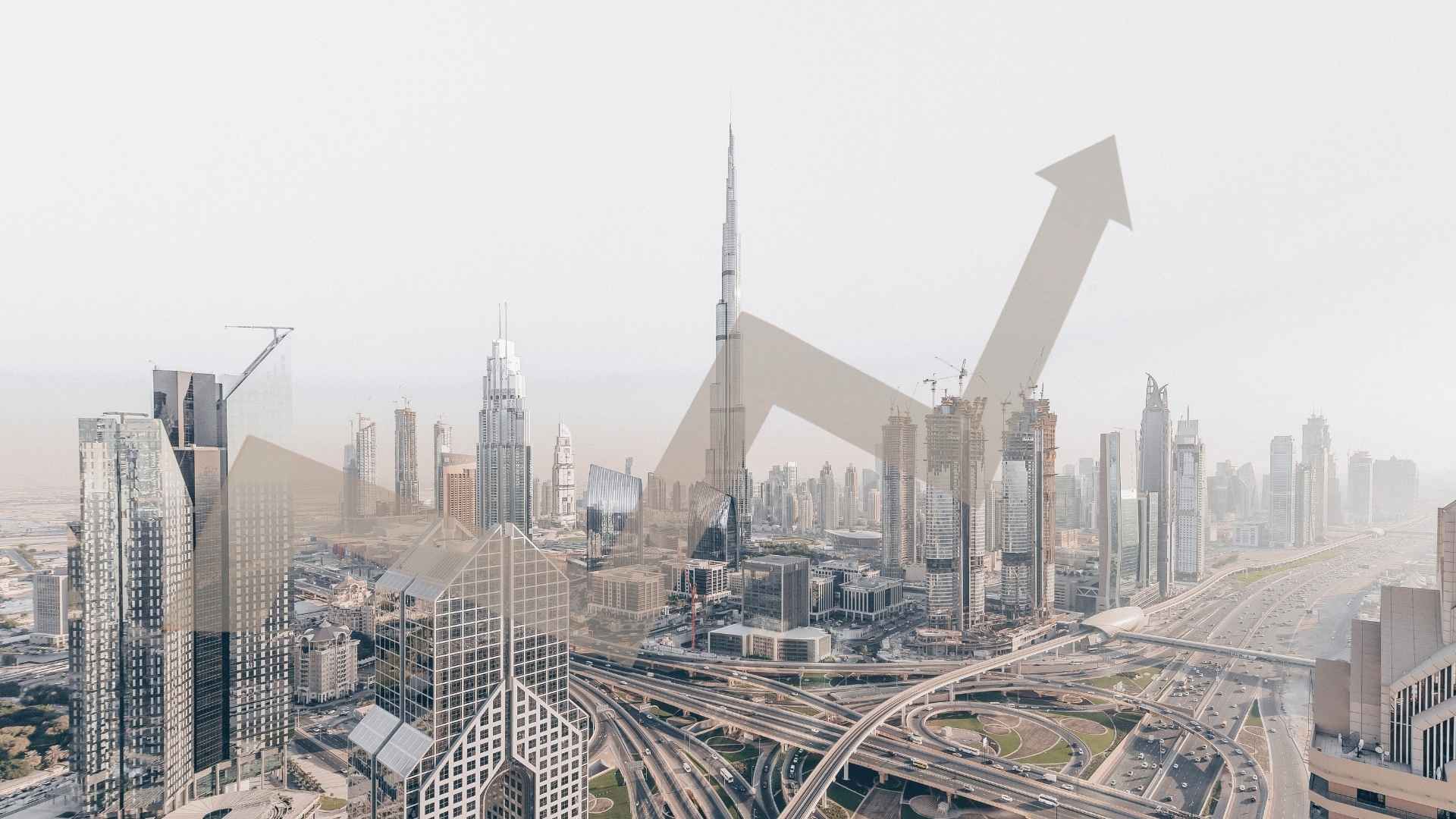
Dubai real estate trends continue to capture global attention as the emirate’s property market remains one of the most resilient and dynamic in the world. Even amid global economic shifts and geopolitical developments, Dubai’s real estate sector has maintained strong momentum in property transactions, investor demand, and new developments.
According to reports from the Dubai Land Department (DLD), Knight Frank, JLL, and CBRE, the market continues to grow due to strong fundamentals such as population growth, international investor inflows, and government initiatives that encourage long-term residency and investment.
Below are seven key Dubai real estate trends in 2026 that explain why investor confidence in the market remains strong.
1. Rapid Population Growth Is Driving Housing Demand
One of the most significant factors supporting Dubai’s real estate market is its rapidly expanding population.
According to data from the Dubai Statistics Center, Dubai’s population surpassed 3.7 million residents in 2025, with projections indicating continued growth as professionals, entrepreneurs, and global talent relocate to the city.
Several factors are driving this population increase:
- Long-term residency visas such as the UAE Golden Visa
- Dubai’s reputation as one of the safest cities globally
- A growing technology, finance, and startup ecosystem
- Attractive tax policies and business opportunities
As the population grows, so does the demand for residential housing, from affordable apartments to high-end luxury residences.
This steady demand has played a crucial role in maintaining market stability and supporting property price growth.
2. Strong Rental Yields Continue to Attract Investors
Dubai offers some of the highest rental yields among major global cities, making it particularly appealing for international investors.
According to Global Property Guide and Knight Frank, average rental yields in Dubai typically range between:
6% and 8% annually
By comparison:
| City | Average Rental Yield |
|---|---|
| London | 3–4% |
| New York | 3–4% |
| Hong Kong | 2–3% |
| Singapore | 2–3% |
Higher rental yields allow investors to generate stronger passive income while benefiting from potential capital appreciation.
This advantage is a major reason why Dubai continues to attract global property investors.
3. Rising Demand for Luxury and Premium Residences
Another key trend shaping Dubai’s property market is the rising demand for luxury and high-end residences.
According to Knight Frank’s Wealth Report, Dubai ranked among the top global cities for luxury home sales, with the city recording significant transactions above $10 million.
High-net-worth individuals relocating to the UAE have driven demand for:
- Waterfront residences
- Branded residences
- Ultra-luxury villas
- Premium lifestyle developments
These buyers are not only seeking investment opportunities but also homes that offer lifestyle, security, and exclusivity.
4. Expansion of New Residential Communities
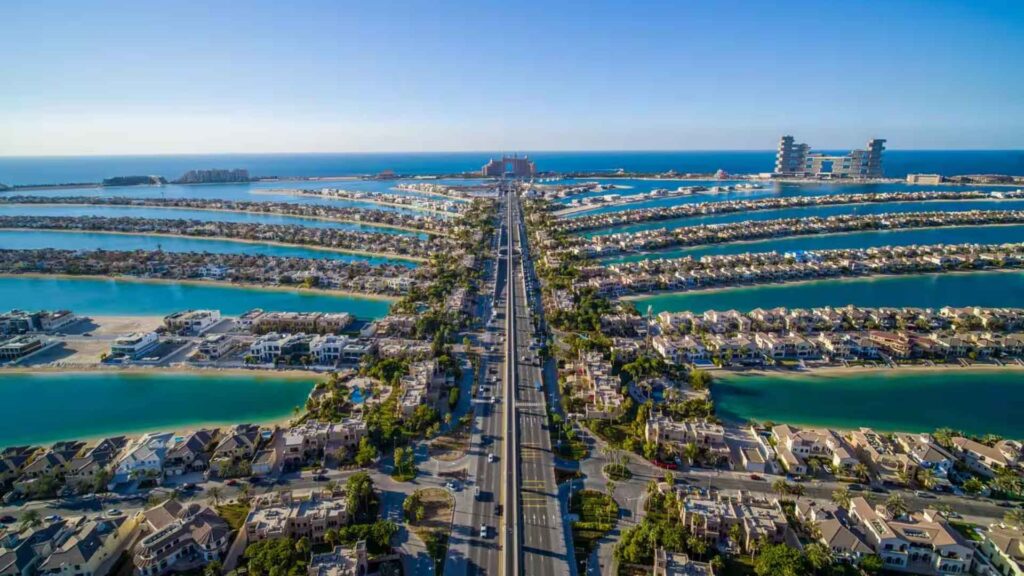
Dubai continues to expand through the development of new residential communities designed to accommodate population growth and evolving lifestyle preferences.
Emerging areas such as Dubai Islands, Dubai Creek Harbour, and Dubailand residential clusters are attracting both investors and end-users.
These new communities are designed with modern urban planning concepts that include:
- walkable neighborhoods
- integrated retail and leisure spaces
- green areas and parks
- waterfront developments
Large-scale master plans ensure that Dubai continues to grow in a structured and sustainable way.
5. Global Capital Inflows Strengthen the Market
Dubai has become one of the world’s leading destinations for international capital.
According to Henley & Partners Global Wealth Migration Report, the UAE has consistently ranked among the top countries attracting high-net-worth individuals relocating globally.
Investors from regions including:
- Europe
- Asia
- Russia and CIS
- India
- the Middle East
have increasingly diversified their portfolios by investing in Dubai real estate.
This influx of global capital strengthens liquidity in the market and contributes to continued growth.
6. Government Policies Supporting Real Estate Investment
Government initiatives have played a crucial role in strengthening Dubai’s property market.
Key policies supporting the sector include:
- Golden Visa programs for investors
- retirement visas
- remote work visas
- long-term residency opportunities
These initiatives allow investors and professionals to establish long-term residency in the UAE, encouraging property ownership rather than short-term leasing.
Additionally, the Dubai Land Department has implemented regulations that enhance transparency and protect investors, further strengthening market confidence.
7. Smart Homes and Sustainable Developments Are Becoming Standard
Modern property buyers are increasingly looking for developments that integrate technology and sustainability.
New residential projects in Dubai now commonly feature:
- smart home automation systems
- energy-efficient design
- smart security systems
- wellness and fitness amenities
- sustainable construction materials
Developers who integrate these features are more likely to attract long-term demand from both investors and residents.
This trend reflects a broader shift toward future-ready living environments.

Conclusion
The Dubai real estate trends in 2026 demonstrate that the city’s property market remains fundamentally strong despite global uncertainty.
Rapid population growth, rising demand for premium developments, and continued international capital inflows are supporting sustained market growth.
Combined with investor-friendly policies, strong infrastructure, and innovative residential communities, Dubai continues to position itself as one of the most attractive real estate markets globally.
For investors seeking both stability and long-term growth, Dubai’s real estate sector remains a compelling opportunity.