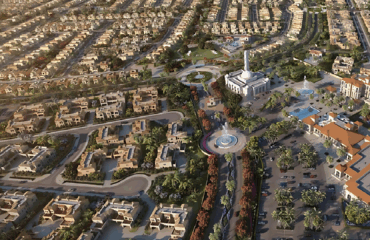
Is Dubai Islands Secretly Already Rivalling Palm Jumeirah Right Now?
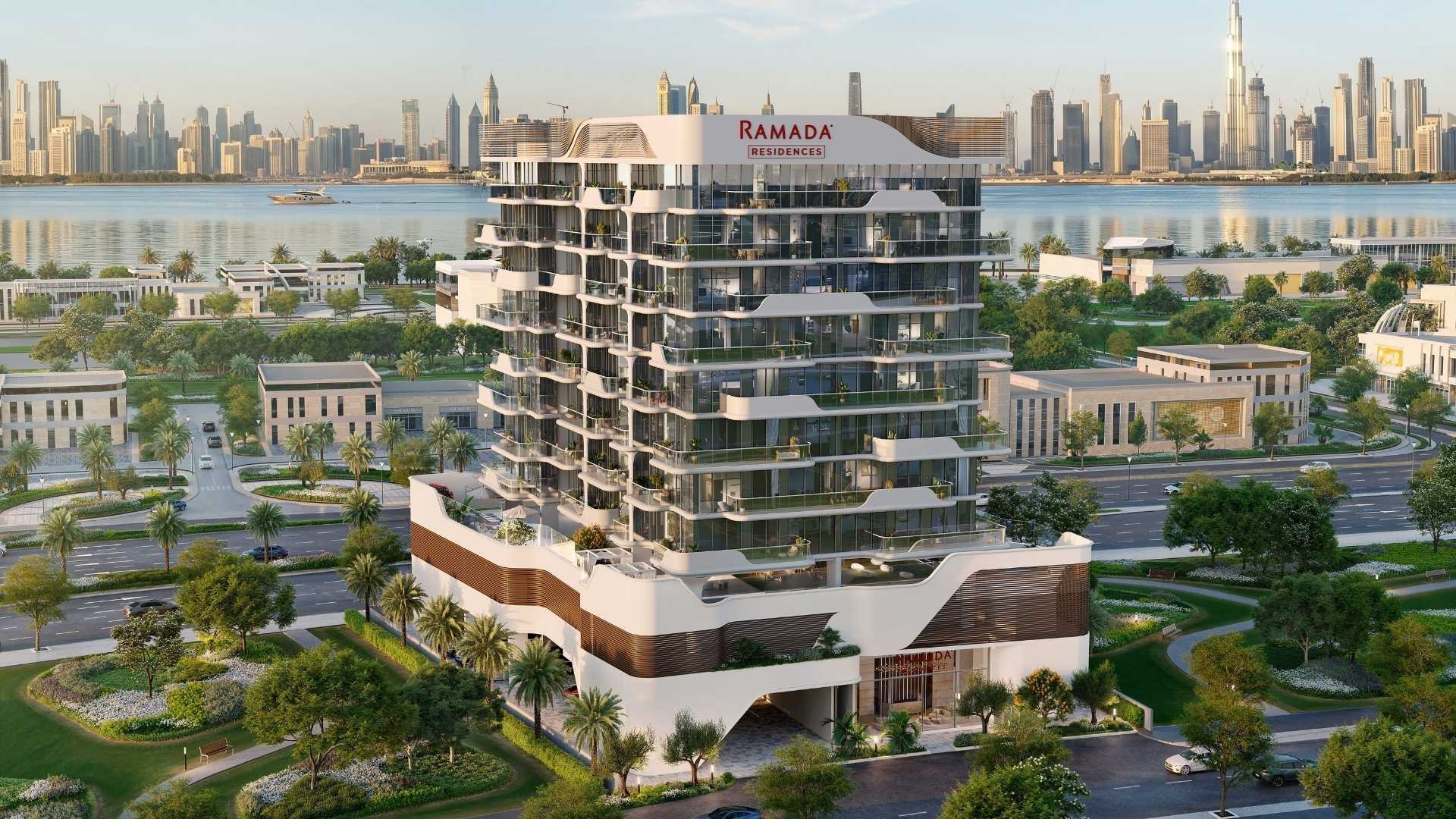
Palm Jumeirah didn’t become iconic overnight. It took years of infrastructure, hospitality investment, and global attention before it became the address the world recognizes today. Dubai Islands is moving faster. Much faster.
And the data suggests that investors who spotted Palm Jumeirah early — before the hotels arrived, before the prices reflected the address — are watching Dubai Islands with very familiar eyes right now.
Here’s the honest comparison.
Dubai Islands vs Palm Jumeirah: What the Data Actually Shows
1. What Dubai Islands Actually Is
Before making any comparison, it helps to understand exactly what Dubai Islands is — and how it differs from what most people remember as Palm Deira.
As Khaleej Times reported, once known as Palm Deira, the reimagined archipelago is now capturing investor attention with its waterfront lifestyle, strategic location, and a new wave of integrated, design-forward developments — backed by Nakheel and aligned with Dubai’s 2040 Urban Master Plan.
Furthermore, Nakheel confirmed that spanning 17 square kilometres with 20 kilometres of beachfront, The destination will offer a balanced mix of luxury residences, hospitality, retail, leisure, and cultural districts across five interconnected islands — all minutes from the city and Dubai International Airport.
In other words, Dubai Islands isn’t a smaller version of Palm Jumeirah. It’s a different concept entirely — a mixed-use coastal destination designed around culture, community, and connectivity, rather than the villa-and-resort model that defines the Palm.
2. The Transaction Numbers Tell a Powerful Story
The clearest sign that Dubai Islands is already rivalling established addresses isn’t sentiment — it’s sales data.
As Khaleej Times reported, Dubai Islands led apartment sales across the entire emirate with AED 8.4 billion in transactions during the first half of 2026 — ahead of Airport City at AED 7.2 billion and Business Bay at AED 6 billion.
That’s not a niche location performing modestly. That’s Dubai Islands outperforming Business Bay — one of the most established commercial and residential districts in the city — in apartment sales volume in the first six months of 2026 alone.
Furthermore, Khaleej Times confirmed that Dubai Islands recorded nearly AED 3.5 billion in sales in May 2025 alone — positioning the destination among Dubai’s most active and sought-after coastal districts.
When a location leads the entire emirate in sales, the comparison with Palm Jumeirah stops being aspirational. It becomes factual.
3. How Palm Jumeirah Actually Grew — And Why It Matters Here
To understand where Dubai Islands is heading, it helps to look honestly at how Palm Jumeirah became what it is today.
Palm Jumeirah’s early buyers weren’t buying a finished product. They were buying a vision — waterfront land in a city that was still building the infrastructure to support it. The hotels, the Monorail, the Nakheel Mall, the global recognition — all of that came later. The buyers who moved early captured the appreciation that followed.
As Gulf News reported, Palm Jumeirah, Dubai Hills Estate, Al Barari, Downtown Dubai, and Business Bay continue to attract capital from global buyers seeking long-term security rather than short-term speculation — with the strongest price performance concentrated in well-established, supply-constrained communities with integrated master planning, mature infrastructure, and limited new supply.
That description — integrated master planning, maturing infrastructure, limited new supply — is precisely what Dubai Islands is building toward right now. The difference is that buyers today can still enter before the full premium is priced in.
4. The Infrastructure Is Already Arriving
One of the biggest criticisms of early Palm Jumeirah was connectivity. The Monorail came years after residents moved in. Roads were an afterthought. That lesson has been learned.
As Khaleej Times confirmed, planned RTA bridge enhancements will further streamline connectivity for Dubai Islands, reinforcing everyday convenience for residents and visitors as infrastructure phases progress.
Furthermore, Khaleej Times reported that Dubai Islands is included in the high-growth corridors identified for continued off-plan development in 2026, with off-plan unit sales expected to rise by a further 10 to 15 percent across these corridors — reflecting strong developer and investor conviction in the location’s long-term trajectory.
Additionally, the hospitality infrastructure is already operational. As Khaleej Times confirmed, the islands already feature Rixos Dubai Islands Hotel and Residences, bringing branded, service-led living to the waterfront, alongside operational family-focused resorts including Hotel Riu Dubai and Centara Mirage Beach Resort Dubai, which have helped establish steady leisure footfall.
Palm Jumeirah took years to reach this level of hospitality density. Dubai Islands is arriving there significantly faster.
5. The Branded Residence Angle — Where Dubai Islands Pulls Ahead
Here is where the Dubai Islands story becomes particularly compelling — and where it genuinely diverges from what Palm Jumeirah offered at an equivalent stage of development.
Branded residences are one of the fastest-growing segments in Dubai’s property market right now. And Dubai Islands is quietly becoming the most concentrated destination for them outside of Downtown Dubai and Palm Jumeirah itself.
As Khaleej Times reported, Dubai Islands is a natural extension of Dubai’s coastal legacy — reimagined through a modern lens — with strong interest from both local and international buyers looking for communities that combine lifestyle, sustainable value, and fast access to the rest of the city.
The arrival of internationally branded hospitality names on the island — combined with the master plan’s cultural district, marina precinct, and beachfront promenades — creates the kind of lifestyle ecosystem that Palm Jumeirah took a decade to assemble. Dubai Islands is compressing that timeline significantly.
6. How Dubai Islands Compares to Palm Jumeirah Right Now
This is the comparison most buyers and investors actually want to see.
| Factor | Palm Jumeirah | Dubai Islands |
|---|---|---|
| Stage of development | Fully mature | Actively developing |
| Entry price point | Premium — AED 3M+ for apartments | More accessible — earlier stage pricing |
| Beachfront | Established — finite supply | 20km of new beachfront — still entering market |
| Branded residences | Established premium | Growing rapidly — multiple brands active |
| Hospitality | 30+ hotels operational | Multiple resorts operational, more incoming |
| Connectivity | Palm Monorail + road | RTA bridge enhancements underway |
| Upside potential | Limited — fully priced | Significant — infrastructure still maturing |
| Alignment with Dubai 2040 | Yes | Yes — explicitly included in masterplan |
The honest conclusion from that comparison is straightforward. Palm Jumeirah is the proven, fully-priced address. Dubai Islands is the earlier-stage opportunity with the same coastal DNA — and significantly more room for appreciation as infrastructure and hospitality density catch up.
7. What the Dubai 2040 Urban Master Plan Means for Dubai Islands
This is arguably the most important long-term signal for any buyer or investor comparing the two locations.
Dubai Islands is not a private developer’s vision. It is explicitly embedded in the UAE government’s long-term urban strategy.
As Khaleej Times confirmed, Dubai Islands is backed by Nakheel and aligned with Dubai’s 2040 Urban Master Plan — with new residential neighbourhoods, primarily low- to mid-rise beachfront and waterfront addresses, set to roll out with elevated community amenities and enhanced promenade experiences.
Furthermore, Khaleej Times reported that planned cultural, retail, and marina precincts will complete a full lifestyle ecosystem of dining, wellness, and community spaces — reinforcing Dubai Islands’ long-term liveability and investment fundamentals.
Government-backed master plans in Dubai have a consistent track record. Downtown Dubai, Palm Jumeirah, Dubai Marina — every major address that commands a scarcity premium today was once a government-backed vision on a map. Dubai Islands is the next chapter of that same story.
8. The Honest Risks to Understand
A fair comparison requires honesty about what Dubai Islands is not — yet.
It is not finished. Large portions of the master plan are still under construction. The full lifestyle ecosystem — the cultural district, the retail precincts, the completed marina — is still being built out. Buyers entering now are buying into a vision that is materially real but not yet complete.
Furthermore, as The National reported, the lesson from Palm Jumeirah is that iconic destinations can become car-dependent if public transport is added later rather than embedded from the beginning. Dubai Islands needs to apply that lesson deliberately — and the RTA bridge enhancements are a positive early signal, but connectivity will need to keep pace with residential density.
For investors, the calculus is the same one that applied to Palm Jumeirah’s early buyers. You are not buying what exists today. You are buying what the infrastructure, the government commitment, and the hospitality pipeline will deliver — and pricing that trajectory correctly.
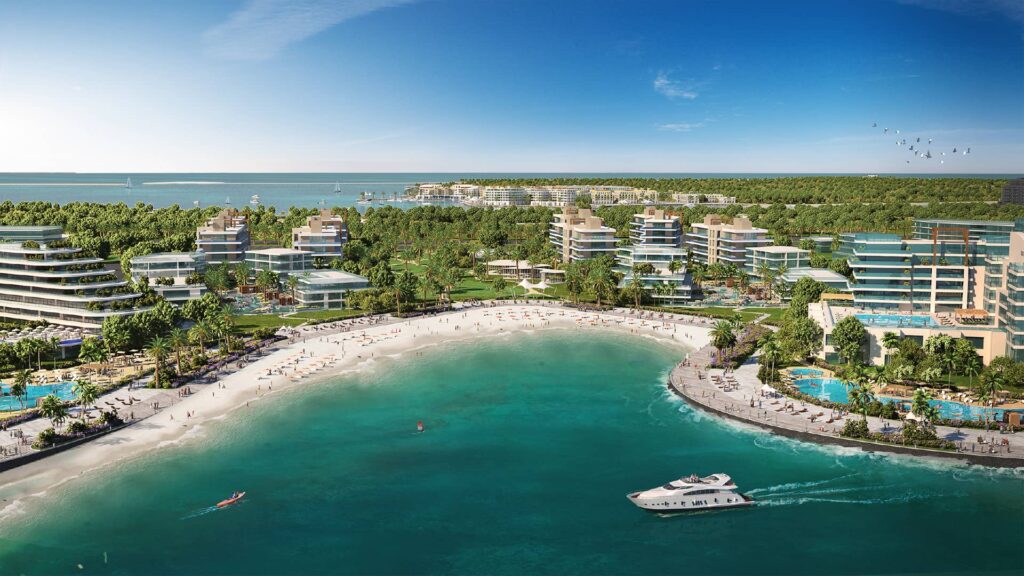
Grovy Perspective: We Chose Dubai Islands Deliberately
At Grovy, we don’t launch projects in locations we don’t believe in deeply.
Our decision to bring Ramada Residences by Wyndham to Dubai Islands wasn’t made because it was the obvious choice. It was made because the data, the government commitment, and the long-term trajectory of the location told us something clear — Dubai Islands is in the same position Palm Jumeirah was in before the world caught up with what it was becoming.
The branded residence segment. The beachfront address. The 2040 Master Plan alignment. The hospitality infrastructure already operational on the island. These aren’t aspirational signals. They are structural ones.
We chose Dubai Islands because we believe it is one of the most compelling early-stage waterfront investments available in the UAE today. And Ramada Residences by Wyndham is our expression of that conviction.
Conclusion: Dubai Islands Isn’t the Next Palm Jumeirah — It’s Something New
Comparing Dubai Islands directly to Palm Jumeirah misses something important. Dubai Islands isn’t trying to replicate what the Palm became. It is building something different — a more diverse, more connected, more culturally rich coastal destination that reflects where Dubai is heading in 2040, not where it was in 2003.
However, the investment parallel is real. Early Palm Jumeirah buyers captured extraordinary appreciation as infrastructure arrived, hospitality density grew, and global recognition followed. Dubai Islands is at a comparable stage — with the advantage of a government that has learned from two decades of waterfront development and is moving faster as a result.
As Khaleej Times confirmed, Dubai Islands led all of Dubai in apartment sales in H1 2026. The money is already moving. The infrastructure is already arriving. The hospitality names are already on the island.
The question isn’t whether Dubai Islands will rival Palm Jumeirah. It’s whether you’re positioned before or after that answer becomes obvious.
Want to explore what Ramada Residences by Wyndham offers on Dubai Islands — and why we chose this location above all others? Speak to our team — honest answers, no pressure.
Sources & References
- Khaleej Times — khaleejtimes.com
- Gulf News — gulfnews.com
- The National — thenationalnews.com
- Dubai Land Department / RERA — dubailand.gov.ae