Dubai Real Estate Market Outlook 2026: A Founder’s Honest Take

What I’m watching from the developer side
From a CEO’s perspective, one of the things I’m watching most closely isn’t simply how many units are being launched. It’s whether the projects entering the market are being built around real demand or simply around the assumption that demand will continue indefinitely.
Those are two very different things.
When you’re responsible for taking a project from land acquisition through design, construction, sales and handover, you cannot afford to think only about today’s demand. You have to think about what a buyer will value two, three or five years from now when the project is actually delivered.
That is where I believe the market is becoming more selective.
The next phase of Dubai real estate won’t necessarily reward every project equally. Buyers will have more choices, which means fundamentals will matter more: location, accessibility, product quality, developer execution, payment structure and whether the property still makes financial sense after the initial excitement around a launch has passed.
Supply is not the same as oversupply
There is also a lot of discussion around future supply, and I understand why. The numbers being discussed are significant.
But as someone operating on the development side, I think the conversation often becomes too simplistic.
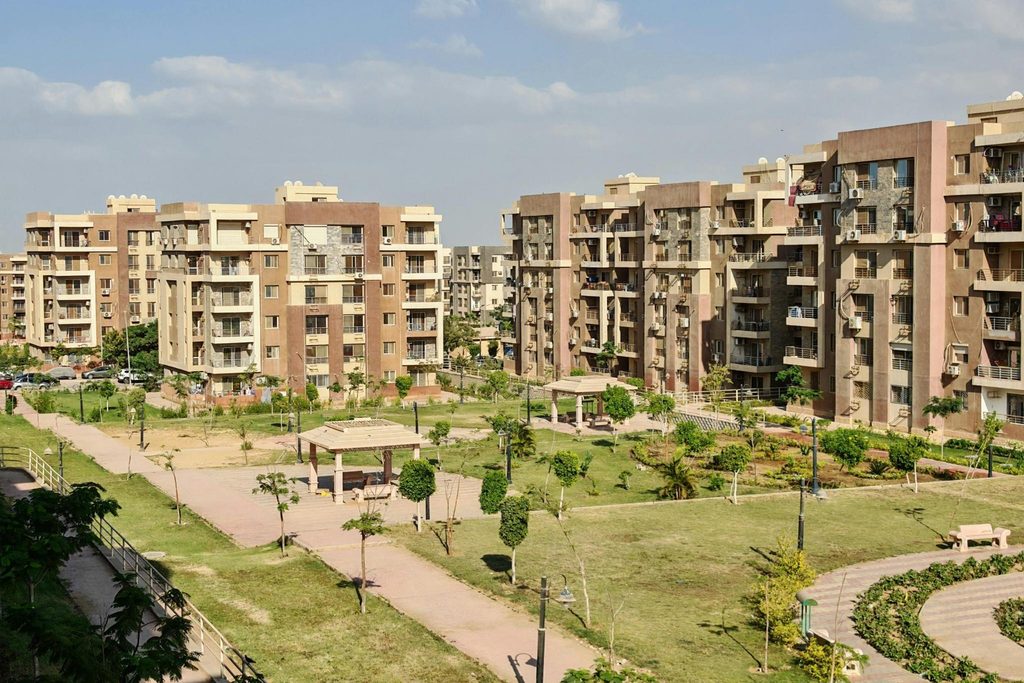
A large number of announced units does not automatically mean all of those units will compete for the same buyer, be delivered at the same time or offer the same level of quality. Dubai is not one single market. Different locations, price points and buyer segments behave very differently.
The more important question is not simply, “How many units are coming?”
It is: What is coming, where is it coming, who is it being built for, and will the final product still be competitive when it is delivered?
That distinction will become increasingly important over the next few years.
The developer’s reputation is becoming part of the investment
I also believe buyers are starting to place more value on execution history.
In an off-plan market, buyers are not only buying an apartment. They are effectively buying a developer’s ability to deliver what was promised.
Can the developer execute?
Does the finished product reflect the quality shown during sales?
Are timelines realistic?
Does the company have the financial and operational discipline to manage the full development cycle?
These questions are becoming part of the purchasing decision, and rightly so.
From my perspective, this is healthy for the industry. It puts more pressure on developers to compete on execution rather than simply on marketing, launch prices or attractive payment plans.
Attractive payment plans can hide weak fundamentals
Payment plans are another area where I think buyers need to look beyond the headline.
A flexible structure can make a property more accessible, and in many cases, it can genuinely improve the investment proposition. But affordability at the point of purchase is not the same thing as value.
I would encourage buyers to ask themselves a simple question: If the payment plan disappeared, would I still believe this property is worth the price?
If the answer is no, then the investment case may be relying too heavily on financing convenience.
The strongest opportunities, in my view, are where the location, product, pricing and payment structure all work together. The payment plan should support a good investment decision — not be the reason you make one.
Construction progress will become a bigger differentiator
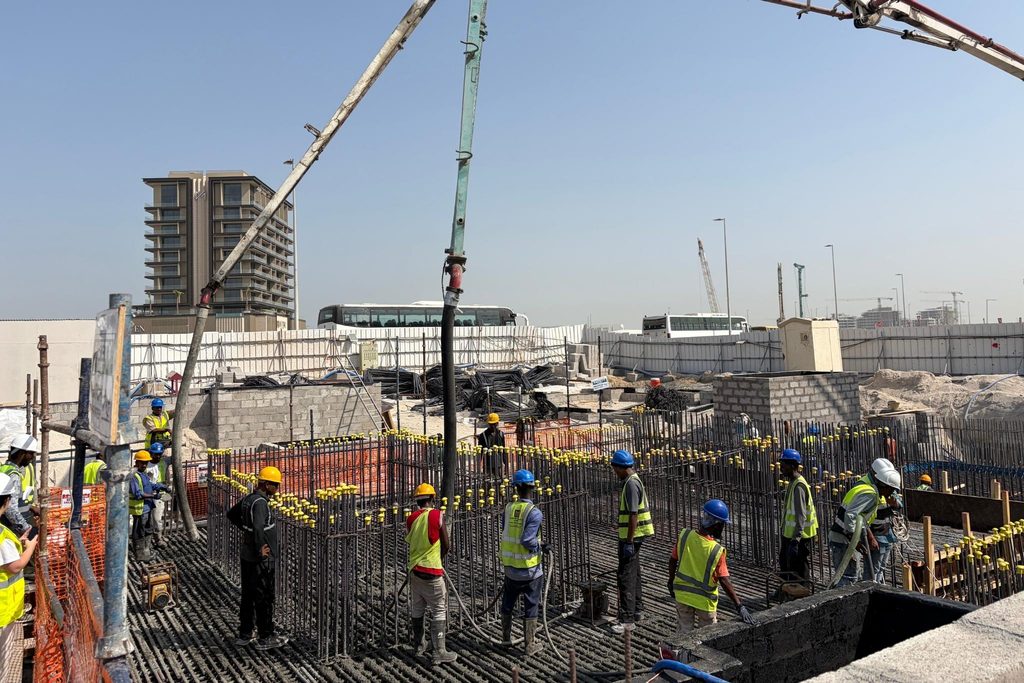
One change I expect to see is greater attention on what is actually happening on site.
During a highly active market, buyers can sometimes make decisions based largely on brochures, renders and launch momentum. But as buyers become more sophisticated, visible execution becomes a competitive advantage.
Progress is difficult to fake.
When infrastructure is moving, construction is advancing and a developer can demonstrate real delivery capability, it gives buyers a different level of confidence than marketing materials alone.
As a developer, that means we have to become more transparent about execution. The conversation cannot stop at what the project will look like. Buyers increasingly want to know how it is progressing and whether the promises made at launch are being translated into reality.
The biggest risk may be buying for the wrong reason
One thing I see repeatedly is buyers asking, “What is the best investment in Dubai right now?”
I don’t think that is always the right question.
A property that is excellent for a rental-income investor may be completely wrong for someone looking for capital appreciation over a shorter period. A buyer planning to hold for seven years can take a different approach from someone who may need liquidity in three.
The better question is: What is the right investment for my financial objective and time horizon?
From the CEO’s side of the table, that is one of the most important conversations we can have before discussing a specific project.
There is no universally “best” property. There are properties that are better suited to specific strategies.
Dubai’s next challenge is maintaining quality as it scales
Dubai has become exceptionally good at attracting capital, talent and global attention. The challenge now is maintaining quality as the market continues to scale.
Growth creates opportunity, but it also creates pressure.
Pressure on infrastructure.
Pressure on construction capacity.
Pressure on developers to launch quickly.
And pressure on buyers to make decisions before opportunities feel like they might disappear.
My view is that the long-term strength of the market will depend partly on how well the industry manages that growth. The next stage of Dubai’s real estate story should not just be about building more. It should be about building better, delivering more consistently and creating communities that remain desirable long after the launch campaign ends.
What I would personally look for as a buyer today
If I were buying in the market today, I would focus on five things before getting emotionally attached to a project:
First, location fundamentals. What is genuinely improving around the property, and what is still only being discussed?
Second, developer execution. What has the developer delivered before, and how does the finished product compare with what was originally promised?
Third, entry price versus realistic alternatives. Not just the cheapest competing project, but comparable properties based on location, quality and investment strategy.
Fourth, the exit scenario. Who is likely to buy this property from me in the future, and what will make it attractive to that buyer?
Finally, the holding strategy. Am I buying for rental income, appreciation or personal use — and does the property actually support that objective?
If those five things make sense, the market noise becomes much less important.

My biggest observation going forward
The Dubai market is becoming harder to navigate casually.
That might sound like a negative, but I don’t think it is.
It simply means the market is reaching a stage where information alone is no longer enough. Everyone can see the same launch announcements, price reports and social media videos. The advantage now comes from interpretation — understanding which numbers matter, which risks are acceptable and which opportunities actually fit your strategy.
That is why I believe the next winners in Dubai real estate will not necessarily be the buyers who move fastest.
They will be the buyers who understand what they are buying and why.