Why Dubai Islands? The Investment Case Beyond the Views
Dubai Islands: Why This Waterfront Development Is Attracting Property Investors
Dubai Islands, formerly known as Deira Islands, is an emerging waterfront destination in Dubai, developed by Nakheel as a large-scale masterplan combining residential communities, hospitality, leisure, retail and tourism. Located off the coast of Deira, the development offers a different proposition from established waterfront destinations: buyers are entering while the wider destination is still evolving.
For anyone considering property investment in Dubai Islands, the appeal goes beyond sea views and beach access. The longer-term investment question is how infrastructure development, tourism demand, hospitality operators and residential supply could shape the area’s position in Dubai’s real estate market.
Dubai Islands is designed to become more than a residential address. Its masterplan brings together living, leisure and visitor experiences, creating the potential for a destination where residents, tourists and businesses support activity throughout the year.
However, buying into an emerging masterplan also requires a clear understanding of construction timelines, competing supply, current amenities and the difference between future development plans and facilities that are already operational.
1. Dubai Islands: An Emerging Waterfront Property Investment Destination
Dubai has several established waterfront communities, including Palm Jumeirah, Dubai Marina and Jumeirah Beach Residence. These locations already have mature residential markets, established hospitality offerings, retail facilities and recognisable lifestyle destinations.
Dubai Islands represents a different stage of development.
Rather than buying into a fully established waterfront neighbourhood, investors are evaluating a masterplan whose residential, hospitality and leisure components are being developed over time.
This creates a different set of considerations when assessing Dubai Islands real estate investment.
Buyers need to look at the property’s current price, location within the masterplan, expected handover date, nearby infrastructure and the pace at which surrounding developments are delivered.
The investment proposition is therefore not simply about buying a waterfront apartment. It is about understanding how an individual property could fit into the wider evolution of the destination.
Why the development stage matters
In an established community, property prices already reflect many of the area’s existing amenities, transport links, retail facilities and lifestyle offerings.
In an emerging destination, buyers may be purchasing before all planned facilities are operational.
This can create an opportunity to enter at a different price point, but it also introduces uncertainty. Future amenities may take time to materialise, and property values do not automatically increase as construction progresses.
For investors, the key is to evaluate the price being paid today against the infrastructure, facilities and rental demand that are realistically expected during the investment period.

2. What Could Drive Long-Term Property Value on Dubai Islands?
Long-term property performance is rarely determined by one feature. On Dubai Islands, several factors deserve consideration.
Infrastructure and masterplan development
Infrastructure plays an important role in shaping the attractiveness of a new residential destination.
Road connectivity, public spaces, retail facilities, hospitality developments and leisure attractions can influence how convenient and desirable an area becomes.
As more components of Dubai Islands are completed, residents may gain access to a broader range of facilities and experiences. The extent to which this benefits individual properties will depend on their location, accessibility and proximity to operational amenities.
Investors should distinguish between infrastructure that is already available, projects under construction and facilities that remain part of future development plans.
That distinction is particularly important when purchasing off-plan property in Dubai Islands, where the surrounding environment may look substantially different by the time the apartment is handed over.
Hospitality and tourism demand
Dubai’s tourism sector supports demand for hotels, holiday homes, serviced accommodation and residential properties in locations with access to leisure attractions.
Dubai Islands has been planned with tourism and hospitality as key components of its wider development strategy. New hotels, restaurants and visitor attractions could increase activity in the area as the destination develops.
However, tourism growth does not automatically translate into higher residential rents. Rental performance will also depend on the number of competing units, the property’s furnishing and quality, operating costs, seasonal demand and the rules governing short-term rentals.
For investors considering holiday-home opportunities, it is important to research comparable properties and confirm the relevant licensing and operational requirements before making assumptions about potential income.
Residential demand and community development
A successful residential destination needs more than attractive buildings. It also needs to function as a place where people want to live.
Access to everyday services, retail, restaurants, schools, healthcare, transport and employment centres can influence long-term residential demand.
As Dubai Islands develops, investors should monitor how quickly these supporting amenities become available and whether the community attracts a mix of end-users, long-term tenants and visitors.
A growing residential base could support demand for different apartment types, but the outcome will depend on the relationship between new supply and the number of buyers and tenants seeking homes in the area.
3. Connectivity: A Waterfront Location Close to Established Dubai
One of Dubai Islands’ key considerations is its location near Deira and the wider northern part of Dubai.
Unlike some emerging communities farther from established urban districts, Dubai Islands is positioned near an existing part of the city with residential neighbourhoods, commercial activity, retail and transport connections.
This proximity can be relevant for residents who want a waterfront setting without being entirely separated from established urban areas.
For buyers, however, proximity on a map is only the starting point.
Actual journey times depend on the property’s location, road access, traffic conditions and the destination being travelled to. Investors should assess practical routes to business districts, airports, retail centres and other important destinations rather than relying solely on general location descriptions.
It is also worth checking the current status of planned transport and infrastructure improvements before assigning value to them in an investment calculation.

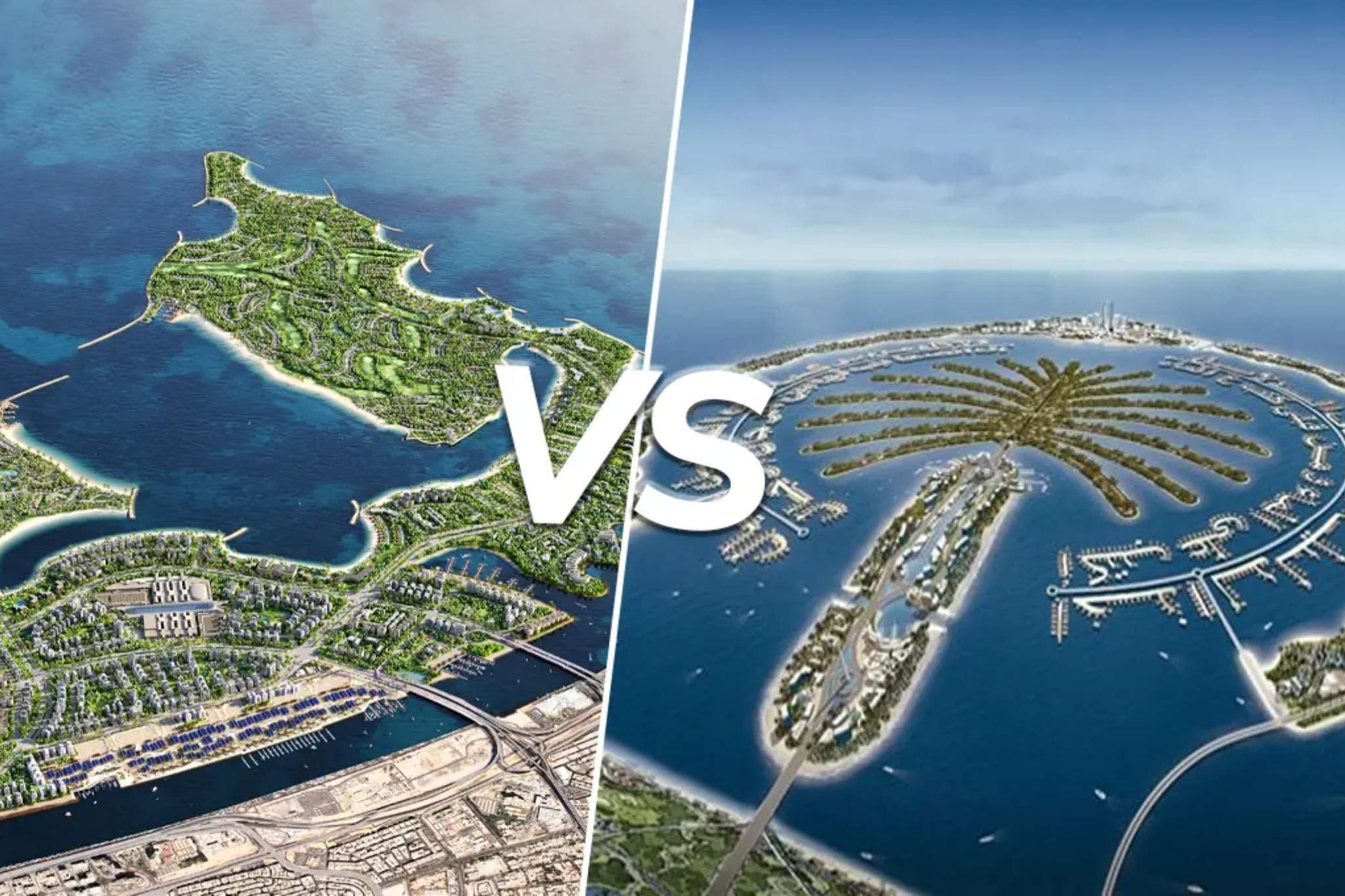
4. Dubai Islands vs Palm Jumeirah: An Emerging Destination and an Established Market
Comparing Dubai Islands with Palm Jumeirah helps illustrate the difference between investing in an emerging waterfront masterplan and buying in a mature destination.
| Investment consideration | Dubai Islands | Palm Jumeirah |
|---|---|---|
| Development stage | Emerging, with the wider masterplan evolving | Established waterfront destination |
| Existing amenities | Vary by location and completed development | Mature hospitality, retail and leisure ecosystem |
| Investment focus | Delivery progress, future amenities and pricing | Existing demand, property quality and location-specific value |
| Rental assessment | Requires careful review of comparable stock and competing supply | Can draw on a more established pool of rental evidence |
| Key uncertainty | Timing of surrounding development and future demand | Purchase price, ongoing costs and competition within a mature market |
This is not a direct price comparison. The two locations differ in property types, project specifications, amenities and market positioning.
For buyers, the relevant question is whether the additional uncertainty associated with an emerging destination is reflected appropriately in the purchase price.
Palm Jumeirah offers a more established environment, while Dubai Islands offers exposure to a developing waterfront masterplan. Neither proposition guarantees stronger capital appreciation or rental returns.
5. The Role of Tourism and Branded Hospitality
Hospitality is an important component of Dubai Islands’ wider positioning.
Hotel operators can contribute to destination awareness, visitor activity and the development of hospitality services. Their presence may also help establish the area’s identity among tourists and international property buyers.
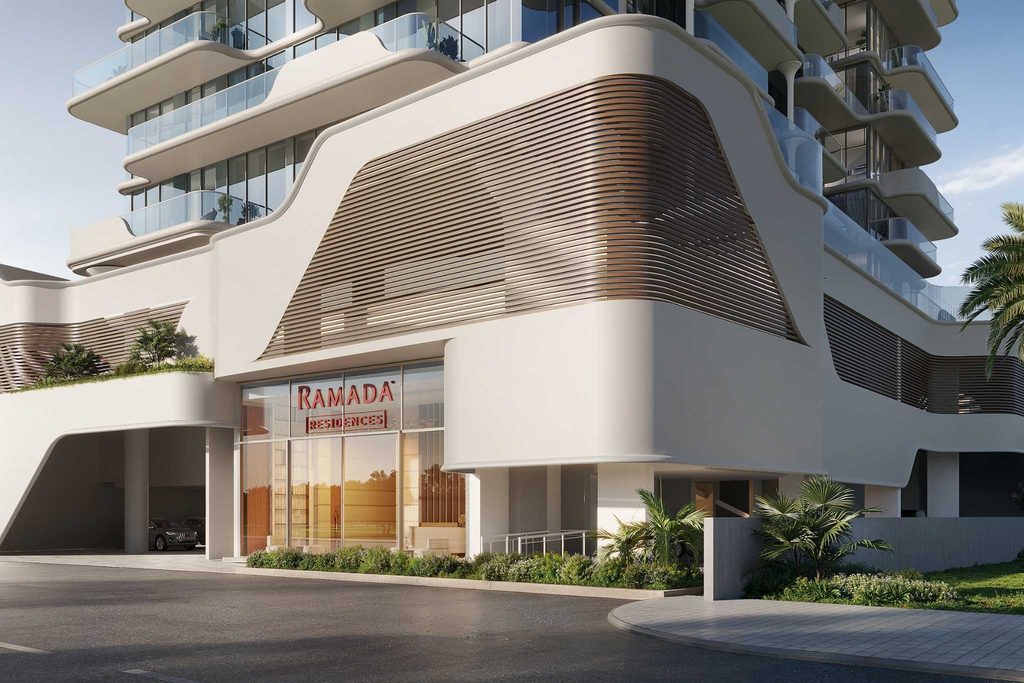
For this reason, branded residences and hotel-associated residential projects can attract attention from investors seeking a combination of residential ownership and hospitality-linked amenities.
However, branded residences are not automatically better investments than non-branded properties.
Buyers should examine the actual agreement, management structure, furnishing package, service charges, restrictions on use and any additional fees associated with a brand or operator.
The value of a hospitality brand also depends on how the property is structured. A hotel-branded residence, a serviced apartment and a conventional residential unit can have very different operating arrangements.
Before purchasing, investors should confirm whether hotel management applies to the entire development, specific facilities or individual units, and whether rental income is guaranteed or simply projected.
6. What Branded Residences Mean for Dubai Islands Investors
Branded residential projects can appeal to buyers who value a recognised hospitality name, a specified furnishing package or access to professional management.
For some investors, these features may reduce the amount of work required to prepare a property for occupation or rental.
The practical benefits depend on the individual project.
Buyers should ask:
- Is the property fully furnished, and what exactly is included?
- Are appliances, wardrobes and window treatments part of the purchase?
- Who manages the property after handover?
- Are owners required to use a particular management company?
- What management and service fees apply?
- Can the owner occupy the apartment whenever they wish?
- Is short-term letting permitted, and what approvals are required?
- Are any advertised rental figures guaranteed under a binding agreement?
These questions matter because the brand name alone does not establish the quality of the investment.
A well-located, appropriately priced property with clear ownership and management terms may offer a more transparent proposition than one relying primarily on brand recognition.
7. Off-Plan Property in Dubai Islands: What Buyers Should Check
Off-plan properties can offer buyers access to new developments before completion. They also require careful assessment because the buyer commits capital before the finished property and its surrounding environment can be fully evaluated.
Before buying an off-plan apartment on Dubai Islands, consider the following.
Developer track record
Review the developer’s completed projects, construction progress, delivery history and approach to post-handover service.
For a project under construction, confirm the registration and escrow arrangements applicable to the development and review the contractual terms.
Construction and handover timeline
Understand the scheduled completion date, payment milestones and the contractual provisions that apply if delivery is delayed.
A property’s investment performance may be affected by the time between the original purchase and the date it becomes available for occupation or leasing.
Payment plan
A payment plan should be assessed alongside the total purchase price, expected cash-flow requirements and any payments due after handover.
A lower initial payment does not necessarily mean a lower overall investment cost.
Property specifications
Compare unit layouts, usable space, views, floor level, parking, finishes, furnishing and building facilities.
Within the same masterplan, these differences can influence both resale appeal and rental competitiveness.
Surrounding development
Check the status of nearby projects and infrastructure. Planned hotels, retail facilities and leisure attractions should not be treated as completed amenities until they are operational.
Exit strategy
Consider who the likely future buyer or tenant might be. A property intended for resale may require a different assessment from one intended for long-term occupation or rental income.
8. Rental Potential on Dubai Islands: Look Beyond Projected Yields
Rental demand is one of the factors investors may consider when evaluating Dubai Islands, particularly as residential and hospitality developments progress.
But projected rental yields need to be assessed carefully.
A developer’s estimated rent is not the same as an achieved rental transaction. Similarly, a projected gross yield does not account for every expense associated with ownership.
A more useful assessment includes:
- Comparable rental transactions
- Competing properties available for rent
- Expected annual rent based on realistic market evidence
- Service charges
- Property management fees
- Maintenance and repair costs
- Insurance and other applicable expenses
- Potential vacancy periods
- Furnishing and replacement costs
For short-term rentals, investors should also consider seasonal demand, cleaning, guest management, platform fees and applicable holiday-home requirements.
Dubai Land Department’s rental tools and transaction data can help buyers research rental values and registered rental activity. The most relevant comparisons are properties with similar locations, layouts, building quality and furnishing levels.
Until a development has an established rental history, investors may have less comparable evidence available. That uncertainty should be reflected in their assumptions.
9. Risks to Consider Before Investing in Dubai Islands
The long-term potential of an emerging masterplan must be considered alongside the risks.
Delivery risk
Infrastructure and surrounding developments may take longer than anticipated. A delay in completing key facilities can affect the appeal of nearby residential properties.
Supply risk
As more apartments enter the market, landlords may compete on rent, furnishing, incentives and payment terms.
Investors should consider both current supply and the volume of new units expected to be delivered during their holding period.
Rental assumptions
Projected rental income may not be achieved, particularly if a property’s asking rent is above comparable market levels or if competing stock increases.
Resale liquidity
An emerging location may have a different pool of prospective buyers from an established community. The time required to sell a unit can vary with market conditions, pricing, financing availability and the property’s characteristics.
Ongoing ownership costs
Service charges, maintenance, management fees and furnishing replacements can reduce net returns.
Market conditions
Dubai property prices and rents can change in response to interest rates, investor sentiment, economic conditions, population growth and new supply.
These risks do not automatically make an investment unsuitable. They highlight why the purchase price, holding period and financial assumptions need to be evaluated together.
10. Is Dubai Islands Worth Considering for Property Investment?
Dubai Islands may be relevant to buyers looking for exposure to an emerging waterfront destination with residential, hospitality and leisure components.
The potential appeal lies in the combination of its location near established parts of Dubai and the possibility that the wider masterplan will become more developed over time.
But the investment case differs depending on the buyer’s objectives.
For end-users, the main considerations include daily convenience, access to amenities, building quality and the expected completion of the surrounding community.
For long-term rental investors, the focus should be on achievable rents, service charges, tenant demand and the supply of competing apartments.
For short-term rental investors, hospitality demand is relevant, but so are operating costs, seasonality, management arrangements and regulatory requirements.
For capital appreciation-focused buyers, the key questions concern entry price, construction progress, future supply, infrastructure delivery and the length of the investment horizon.
There is no single answer for every property on Dubai Islands. Each project and unit needs to be assessed on its own specifications, pricing and delivery timeline.
Conclusion: Evaluating Dubai Islands Beyond the Waterfront Appeal
Dubai Islands is developing as a waterfront destination that combines residential living with tourism, hospitality and leisure. Its proximity to Deira and the wider city provides an additional consideration for buyers comparing emerging communities with established waterfront locations.
The long-term investment case depends on how the masterplan progresses, how quickly supporting amenities become operational and whether residential demand keeps pace with new supply.
For buyers, the most useful approach is to look beyond the renderings and assess the fundamentals: the developer, purchase price, handover schedule, payment plan, rental evidence, ownership costs and exit options.
Dubai Islands should be evaluated as an evolving real estate market, not simply as a waterfront lifestyle address. Understanding both its potential and its uncertainties can help buyers make a more informed decision about whether a particular property fits their investment objectives.
Considering property investment in Dubai Islands? Explore the development details, compare payment plans and property specifications, and review the costs and rental assumptions before making a decision.