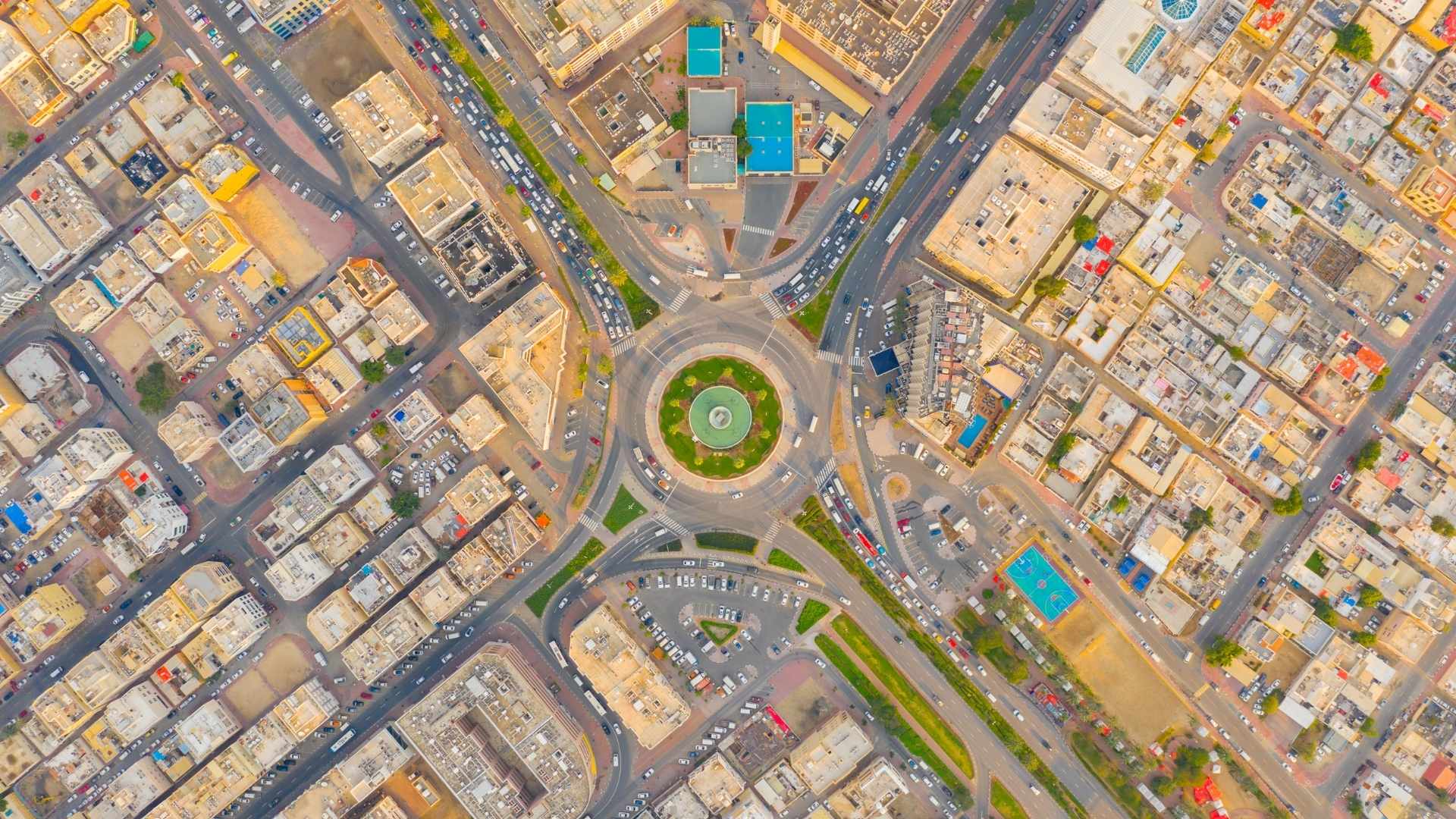
For years, Dubai and cars felt inseparable. Wide highways. Sprawling districts. Everything a drive away.
That is changing — faster than most people realise.
The Dubai 2040 Urban Master Plan has made walkable communities in Dubai a government priority, not just a design trend. And in several neighbourhoods right now, the 20-minute city isn’t a concept. It’s already happening.
Here’s where it’s real — and where it’s still a work in progress.
Walkable Communities in Dubai: Where 20-Minute City Living Is Actually Happening
1. Why Walkability Is Suddenly a Big Deal in Dubai
Dubai’s shift toward walkable living didn’t happen by accident. It came from the top.
As Gulf News reported, Dubai’s Roads and Transport Authority endorsed a Strategic Plan 2024–2030 specifically designed to facilitate development of roads and transport systems that support a 20-minute city — ensuring 80 percent of daily services are accessible within a 20-minute journey by walking or cycling.
The National confirmed the scale of that ambition, reporting that Dubai announced a major project to transform the emirate into a year-round pedestrian-friendly city, with more than 3,000 kilometres of walkways and 110 new bridges and tunnels — including 112km of waterfront paths, 124km of green walking paths, and 150km of rural and mountain paths.
Furthermore, Gulf News reported that communities that make daily life easier tend to enjoy stronger occupancy, firmer pricing, and better rental performance — making walkability not just a lifestyle preference but a genuine investment signal.
In short, walkable communities in Dubai are now both a government target and a market advantage. Here’s where that advantage is most visible right now.
2. Al Barsha 2 — The Official 20-Minute City Pilot
No community in Dubai is more directly tied to the 20-minute city concept than Al Barsha 2.
As Khaleej Times reported, Al Barsha 2 is set to lead the 20-minute city concept with 17 kilometres of walking and cycling paths — part of a project designed to ensure residents can access essential services including education, healthcare, retail, recreation, mosques, and childcare facilities within a 20-minute walk or bike ride, eliminating the need for private vehicles.
Khaleej Times also confirmed that a 13.5-kilometre cycling and e-scooter track is currently under construction along Hessa Street, linking Al Sufouh and Dubai Hills, featuring two architecturally unique bridges — one crossing Sheikh Zayed Road and another spanning Al Khail Road.
Al Barsha 2 is not aspirational. It is the live test case for what walkable communities in Dubai can look like at scale.
Best for: Families and professionals who want to be part of Dubai’s most advanced pedestrian-first experiment right now.
3. Dubai Marina — The Most Walkable Address in the City Right Now
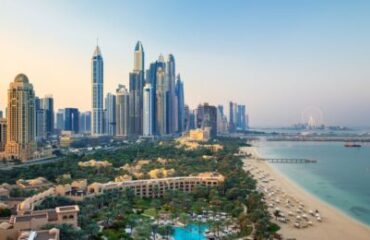
When it comes to walkable communities in Dubai that are fully operational today, Dubai Marina leads the field.
The Marina Walk stretches kilometres along the waterfront, lined with cafés, retail outlets, fitness zones, and waterfront views. Residents can access groceries, restaurants, gyms, beaches, and entertainment without touching a car. The Dubai Tram and Metro connect the community to the rest of the city cleanly and quickly.
As The National reported, mixed-use projects that integrate residential, retail, and recreational elements are seeing heightened demand as buyers increasingly value walkable, lifestyle-centric environments — and Dubai Marina is the clearest expression of that trend in the entire market.
The trade-off is cost. Dubai Marina sits at the premium end of the rental and purchase market. However, for buyers who prioritise walkability and lifestyle above all else, it delivers more on foot than almost anywhere else in the emirate.
Best for: Professionals and couples who want the most complete car-free lifestyle available in Dubai today.
4. Downtown Dubai — Urban Density Done Right
Downtown Dubai works as a walkable community because of one thing above all others: density.
Everything that matters is close. Dubai Mall. Burj Khalifa. Souk Al Bahar. The Dubai Fountain. Restaurants, supermarkets, pharmacies, and metro access — all reachable on foot from almost any building in the district.
As The National confirmed, creating greener communities with amenities within walking distance is central to Dubai’s development strategy — and Downtown Dubai represents the most mature expression of that vision currently operating in the city.
Downtown also benefits from ongoing pedestrian infrastructure investment. The Dubai Walk Master Plan specifically targets the area around Downtown for upgraded walkways and shaded connections — meaning the walking experience here will only improve.
Best for: Buyers who want urban density, global lifestyle credentials, and the ability to run daily errands entirely on foot.
5. City Walk — The Neighbourhood Built Around the Street
City Walk was designed from the ground up around the concept of street-level living — and it shows.
As Khaleej Times described it, City Walk is an urban living concept — an artsy, chic neighbourhood built around open-air retail, walkable streets, and a human-scale environment unlike anything else in Dubai.
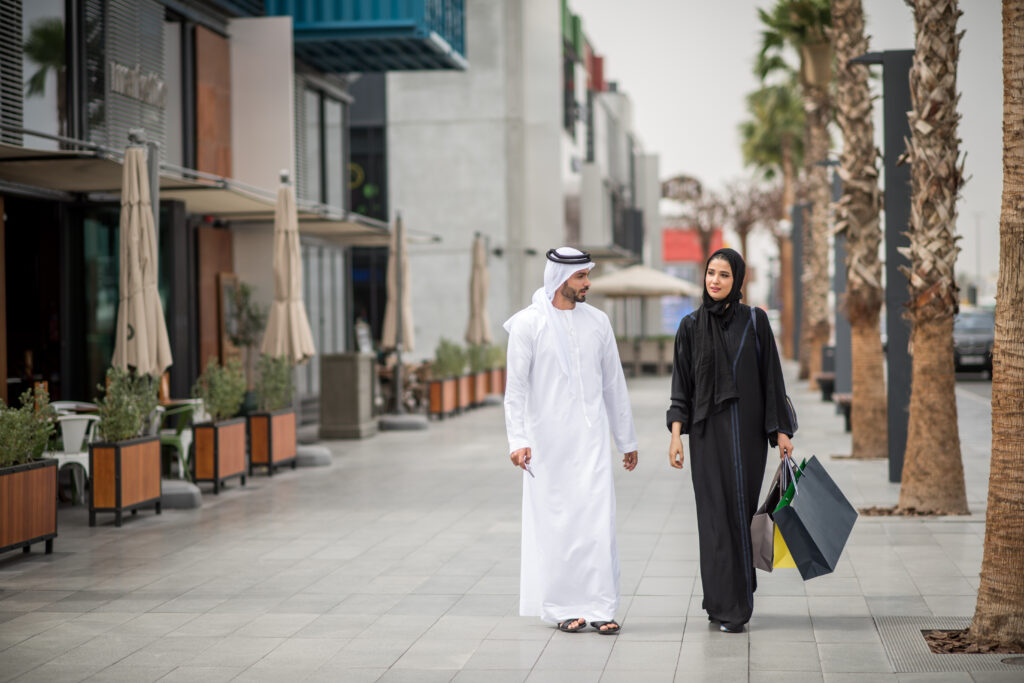
Residents here can walk to boutique shops, international restaurants, a cinema, a hospital, gyms, and green spaces without needing a car for any of it. The streets are shaded, wide, and genuinely designed for pedestrians rather than vehicles.
City Walk sits between Downtown Dubai and Dubai Marina — close enough to both to benefit from their infrastructure while offering a quieter, more curated version of walkable communities in Dubai.
Best for: Residents who want a boutique, design-led neighbourhood where daily life genuinely happens at street level.
6. JVC — The Walkable Community That Actually Fits a Budget
JVC doesn’t have the waterfront of Dubai Marina or the density of Downtown. What it does have is something rarer in Dubai: genuine walkability at a mid-market price point.
As Gulf News reported directly from residents, JVC draws residents specifically because of its parks, open spaces, and community feel — with ground-floor commercial premises in most buildings putting supermarkets, salons, and cafés within walking distance of almost every apartment.
Furthermore, The National confirmed that JVC continues to be a standout option for buyers seeking walkable, lifestyle-centric environments at accessible price points — combining green spaces, Circle Mall, and a growing food and retail scene with entry prices that Downtown and Marina simply cannot match.
The metro gap remains real. JVC does not have direct metro access yet. However, within the community itself, daily life is increasingly achievable on foot.
Best for: Budget-conscious buyers and renters who want genuine community walkability without a premium price tag.
7. Arjan — The Quietly Walkable Neighbourhood Nobody Talks About Enough
Arjan sits next to JVC and often gets overlooked. That oversight is becoming harder to justify.
As Gulf News reported from residents living there, Arjan is highly accessible, easy to get around on foot, filled with greenery, and offers a calm, peaceful atmosphere — with convenient access to popular neighbouring communities like JVC, JVT, Studio City, and Motor City all within a short distance.
Gulf News also confirmed that Arjan offers superior traffic management compared to nearby areas, with more entry and exit points and easier access to major roads — meaning residents spend less time in cars even when they do need to drive.
Add in proximity to Miracle Garden, easy access to Al Khail Road, and a growing food and retail scene, and Arjan is becoming one of the more underrated walkable communities in Dubai — especially for families and professionals priced out of JVC.
Best for: Residents who want JVC-style community walkability with less traffic congestion and slightly lower rents.
8. Dubai Design District — The Next Walkable Neighbourhood in the Making
Not every walkable community in Dubai is finished yet. Dubai Design District is one of the most compelling ones in progress.
As The National reported, the Dubai Design District masterplan aims to transform the area into one of the city’s most desirable creative-led waterfront neighbourhoods — supporting the government’s wider strategy to get more people walking, with shaded communal plazas and pedestrian-first streets running throughout the development.
The district already operates as a car-optional environment for the creative professionals who work and live there. The masterplan expansion takes that further — adding waterfront access, new residential blocks, and self-driving shuttles connecting the area to public transport.
Best for: Early buyers who want to position in a pedestrian-first neighbourhood before it reaches full maturity and pricing reflects the full vision.
9. What Makes a Dubai Community Actually Walkable?
Not every community that claims to be walkable delivers on it. Here’s what actually separates the real ones from the marketing versions.
Ground-floor retail matters most. The single biggest factor in genuine walkability is having supermarkets, pharmacies, cafés, and daily essentials at street level. Communities where residents can run errands without a car on an ordinary Tuesday are the ones that truly qualify.
Shade and infrastructure make or break it. As The National reported, Dubai’s 20-minute city ambitions are a reality in the making — but experts note that the shorter walking distances are in the Gulf summer, the better, and that features like shading and misting are essential to make walking genuinely comfortable year-round.
Metro and tram access multiplies walkability. Communities connected to the Red Line, Green Line, or Dubai Tram offer residents far more genuine car-free capability than those relying on buses or taxis alone.
Green space keeps people walking. Gulf News reported that Sheikh Hamdan announced 152 new Dubai parks and 33 kilometres of cycling tracks — with green spaces coming within a 150-metre walk under a new urban planning model that supports the 20-minute city concept. Communities near those green corridors will benefit directly.
Walkable Communities in Dubai: Quick Comparison
| Community | Walkability Today | Metro Access | Best For |
|---|---|---|---|
| Al Barsha 2 | High — 20-minute city pilot | Bus + nearby metro | Families, early adopters |
| Dubai Marina | Very high — marina walk + tram | Tram + Metro | Professionals, couples |
| Downtown Dubai | Very high — dense urban core | Metro | Urban lifestyle buyers |
| City Walk | High — street-level design | Nearby metro | Boutique lifestyle seekers |
| JVC | Medium-high — parks + retail | Bus only (for now) | Budget-conscious families |
| Arjan | Medium-high — green + calm | Bus + nearby metro | Families, quiet seekers |
| Dubai Design District | Medium — growing fast | Bus + shuttle | Creative professionals |
Grovy Perspective: Walkability Is the Next Big Driver of Property Value
At Grovy, we’ve watched walkability move from a lifestyle preference to a pricing signal. Communities where residents can access daily needs on foot consistently see stronger occupancy, lower vacancy, and more resilient rents — even during uncertain market periods.
That’s not a coincidence. It reflects how buyers and renters are making decisions in 2026. Lifestyle-first thinking is reshaping which communities grow in value and which ones stagnate.
Every project we develop puts liveability at the centre — because a well-designed, well-connected community isn’t just a better place to live. It’s a better investment.
Conclusion: Car-Free Living in Dubai Is Real — In the Right Communities
Walkable communities in Dubai are no longer an exception. They are becoming the standard that buyers, renters, and the government are all pushing toward simultaneously.
Al Barsha 2, Dubai Marina, Downtown, City Walk, JVC, Arjan, and Dubai Design District all offer genuine versions of the 20-minute city — at different price points, different stages of development, and for different lifestyles.
The car isn’t going away in Dubai entirely. However, in the right community, it’s becoming optional. And optional is worth a lot.
Want to find a walkable community that fits your budget and lifestyle? Speak to our team — honest guidance, no pressure.
Sources & References
- Khaleej Times — khaleejtimes.com
- Gulf News — gulfnews.com
- The National — thenationalnews.com
- Dubai Land Department / RERA — dubailand.gov.ae