Dubai vs. Abu Dhabi Real Estate 2026: Where Should You Invest?
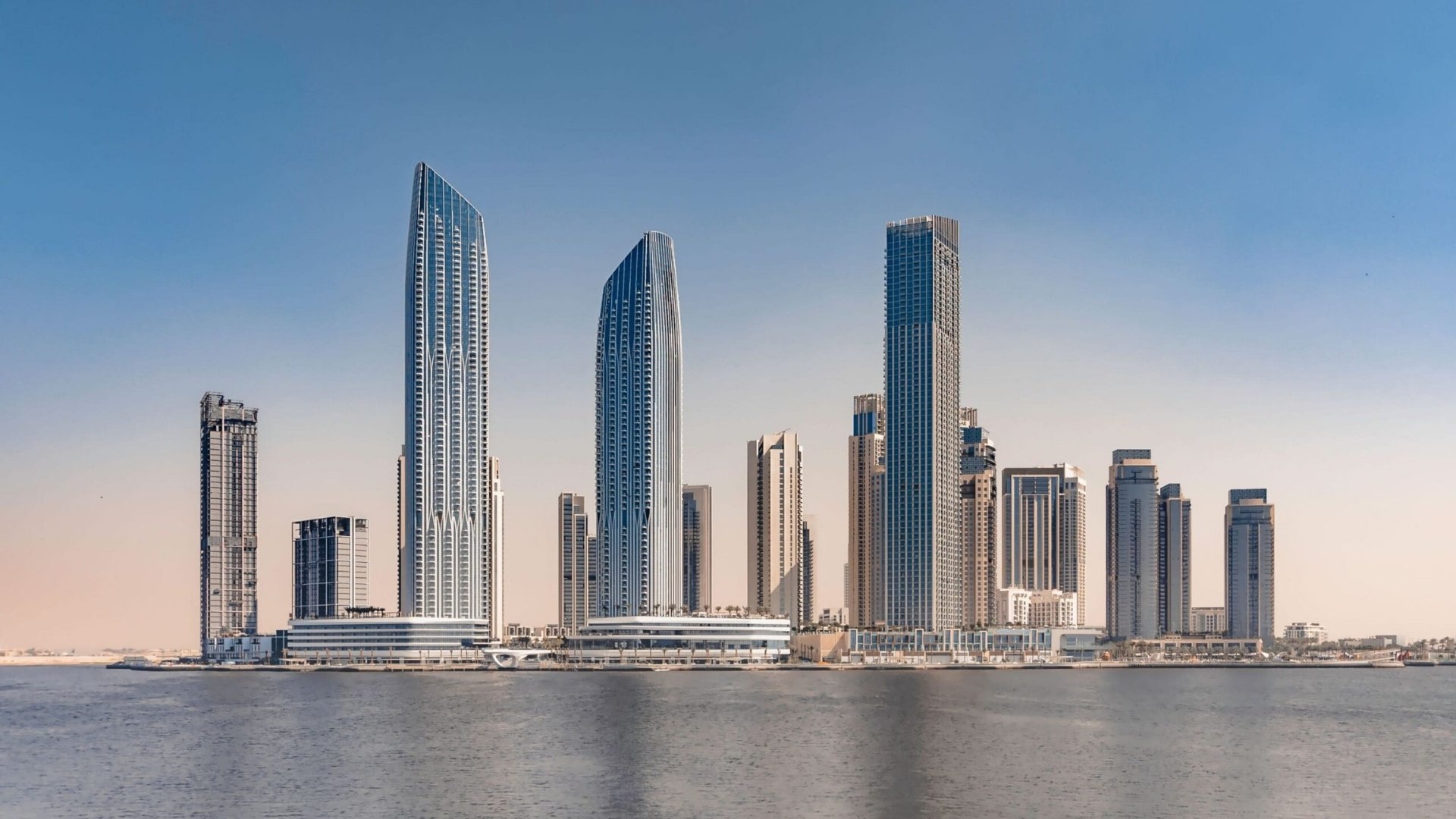
The UAE property market is no longer a single-destination play. For serious international buyers and institutional managers, the relationship between its two economic powerhouses has evolved into two distinct, highly sophisticated asset allocation models.
While Dubai continues to operate as a high-velocity, global transaction engine, Abu Dhabi has stepped firmly into its own right—not merely as a stable alternative, but as a sovereign-backed growth corridor currently outperforming in specific capital appreciation metrics. This data-backed guide breaks down the structural differences, current transaction figures, and localized yields to help you allocate capital across Dubai vs Abu Dhabi property investment

1. The Core Data: Market Fundamentals at a Glance
The most notable shift is the divergence in price acceleration and incoming inventory supply lines. While Dubai moves into a more selective, fundamentals-led phase of its cycle following consecutive years of historic expansion, Abu Dhabi is experiencing an aggressive, supply-constrained growth phase.
Key Investment Metrics (Q1 2026 Data)
| Metric | Dubai | Abu Dhabi |
| Off-Plan Avg. Price / SQFT | AED 2,030 (+12.22% YoY) | AED 2,191 (+17.99% YoY) |
| Ready Homes Avg. Price / SQFT | AED 1,691 (+5.62% YoY) | AED 1,507 (+25.06% YoY) |
| Property Registration Fee | 4% (Dubai Land Department) | 2% (Dept. of Municipalities & Transport) |
| Projected Unit Handovers | ~120,000 residential units | ~6,500 residential units |
| Overall Residential Gross Yield | 6.57% (Apartments: 7.08% | Villas: 4.54%) | 6.08% (Apartments: 6.50% | Villas: 4.75%) |
2. Transaction Costs & Entry Points
For investors calculating total capital outlay, upfront transaction friction heavily favors the capital. Abu Dhabi’s registration fee remains fixed at 2%, compared to Dubai’s 4% plus standard administrative fees.
On a premium purchase of AED 5,000,000, choosing an Abu Dhabi asset reduces unrecoverable entry fees by roughly AED 100,000—capital that remains in the investor’s portfolio to yield returns immediately.
Furthermore, general entry barriers mirror the structural positioning of each city:
Abu Dhabi features an entry point that sits roughly 30% lower than Dubai for comparable luxury waterfront assets. However, the capital’s investment landscape is highly concentrated across premium designated investment zones (predominantly master-planned islands), offering fewer low-tier options but maintaining strict price floors.
Dubai offers unmatched diversity across price segments. Because its development footprint is vast, investors can enter high-yielding secondary markets like Jumeirah Village Circle (JVC) or Arjan at lower absolute price brackets.
3. Supply Dynamics: The Structural Playbook
The starkest contrast between the two markets lies in supply discipline. The incoming inventory pipeline controls how well a property holds its rental price and capital value over a 3-to-5-year investment horizon.
- Dubai’s Supply Profile (High-Velocity Expansion): With approximately 120,000 units slated for delivery, Dubai’s market is rapidly absorbing massive private-sector inventory. This volume keeps transaction liquidity exceptionally high—it is incredibly easy to buy, sell, or exit a position within weeks. However, the sheer volume of choices means capital appreciation has become highly selective, favoring premium locations insulated from surrounding construction.
- Abu Dhabi’s Supply Profile (The Sovereign Moat): Abu Dhabi’s projected delivery of 6,500 units reflects an entirely different philosophy: state-led, master-planned exclusivity. Handovers are intentionally metered by dominant master developers like Aldar and Modon to sync with infrastructure milestones (such as cultural openings on Saadiyat Island). For investors, this tight bottleneck minimizes the risk of near-term rental dilution or oversupply shocks.
4. Yield Analysis: Community-Level ROI Breakdown
Gross yields remain highly localized. While Dubai retains the edge for high-yield secondary apartments and short-term vacation rentals, Abu Dhabi’s villa segment has quietly matched Dubai due to lower entry prices on premium land plots and high, stable expat family demand.
High-Performing Rental Hubs Compared
- Dubai (JVC): Continues to anchor the mid-market segment with robust, consistent gross apartment yields touching 6.5% to 7.5%.
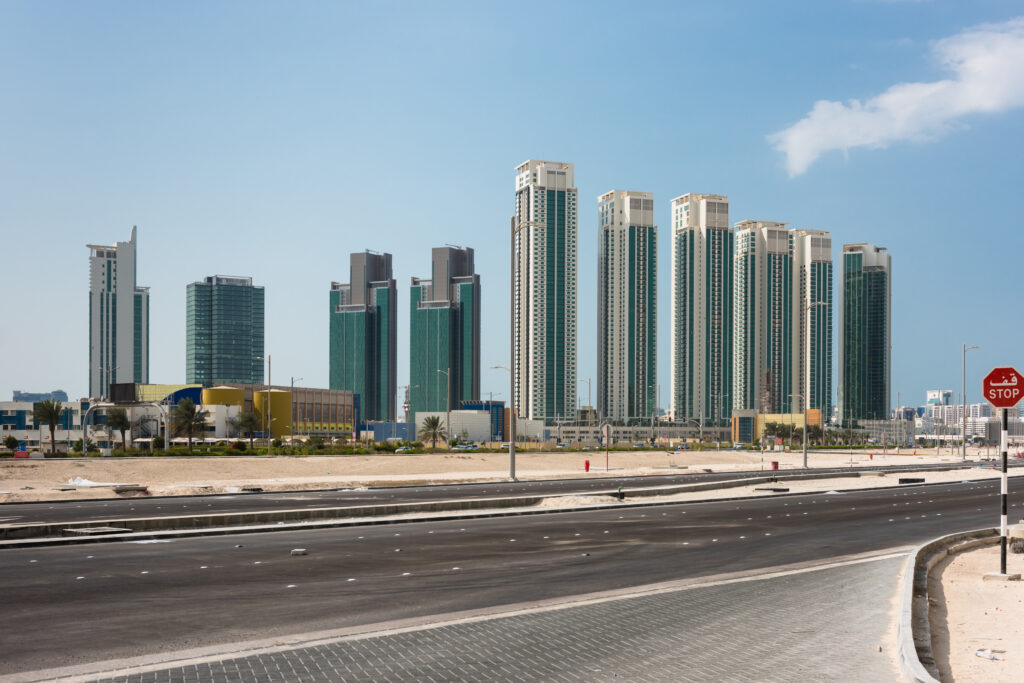
- Abu Dhabi (Al Reem Island): The capital’s high-density apartment core, yielding 7.0% to 7.6% net on one-bedroom configurations, backed by a deep professional tenant pool tied to Abu Dhabi Global Market (ADGM).
- Dubai (Marina & Downtown): Prime ready apartments command 5.5% to 6.5%, supported by high international demand but compressed by recent capital value gains.
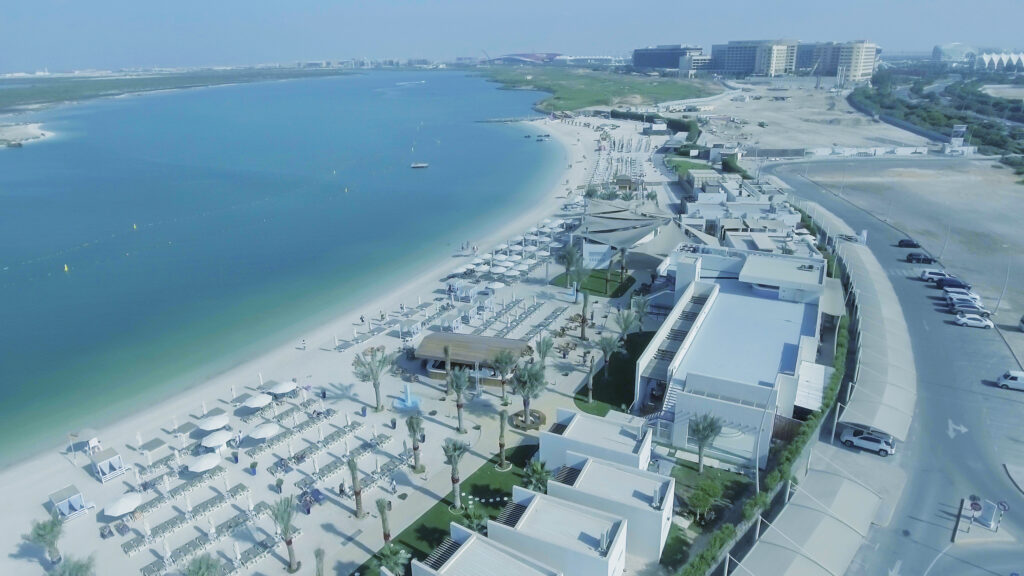
- Abu Dhabi (Saadiyat Island): Low immediate rental yield (5.0% to 5.5%) but unmatched capital appreciation. Premium ready homes here saw an aggressive price surge due to extreme scarcity and proximity to the Cultural District.
5. Liquidity vs. Stability: The Final Allocation Verdict
Choosing where to deploy capital depends entirely on your portfolio’s core mandate:
Allocate to Dubai if: Your priority is near-term transaction velocity, aggressive short-term rental yields via holiday home frameworks, a wide selection of private-developer off-plan payment structures, and high asset liquidity that lets you move in and out of the market quickly.
Allocate to Abu Dhabi if: Your objective centers on mid-to-long-term capital preservation, lower entry costs for waterfront luxury, protection against localized oversupply, and capturing the sharp upward capital growth trajectory of a market that is fundamentally under-supplied.
Rather than viewing the two emirates as competitors, sophisticated private portfolios treat them as complementary assets: using Dubai as the engine for liquidity and high immediate cash flow, and Abu Dhabi as the sovereign-backed anchor for secure capital growth.
Summary Action Checklist for Investors
Before allocating capital, ensure your buying strategy aligns with these municipal realities:
Assess Financing Boundaries: Remember that LTV caps and developer payment structures vary significantly between traditional private builds and island master plans.
Audit the Supply Pipelines: Check the localized sub-community handover schedules to verify your asset won’t face immediate rental competition.
Factor in Fee Variations: Budget 2% for Abu Dhabi municipality registration fees versus 4% for Dubai Land Department transfers.
Define Your Exit Horizon: Choose Dubai for quick liquid turnarounds (under 3 years) or Abu Dhabi for long-term hold strategies backed by infrastructure buildouts.
Optimize Your UAE Property Allocation
Navigating two distinct regulatory and economic cycles requires institutional precision, deep market tracking, and verified access to premier developer inventories. Making unverified moves can quickly disrupt your portfolio’s long-term yield projections.
Contact our premium real estate advisory division today to schedule a comprehensive allocation consultation. We will analyse your investment horizon, compare localized yield profiles across both emirates, and secure your position in the region’s highest-performing master developments.