Is In-House Construction a Sustainable Strategy for Dubai’s Real Estate Boom?
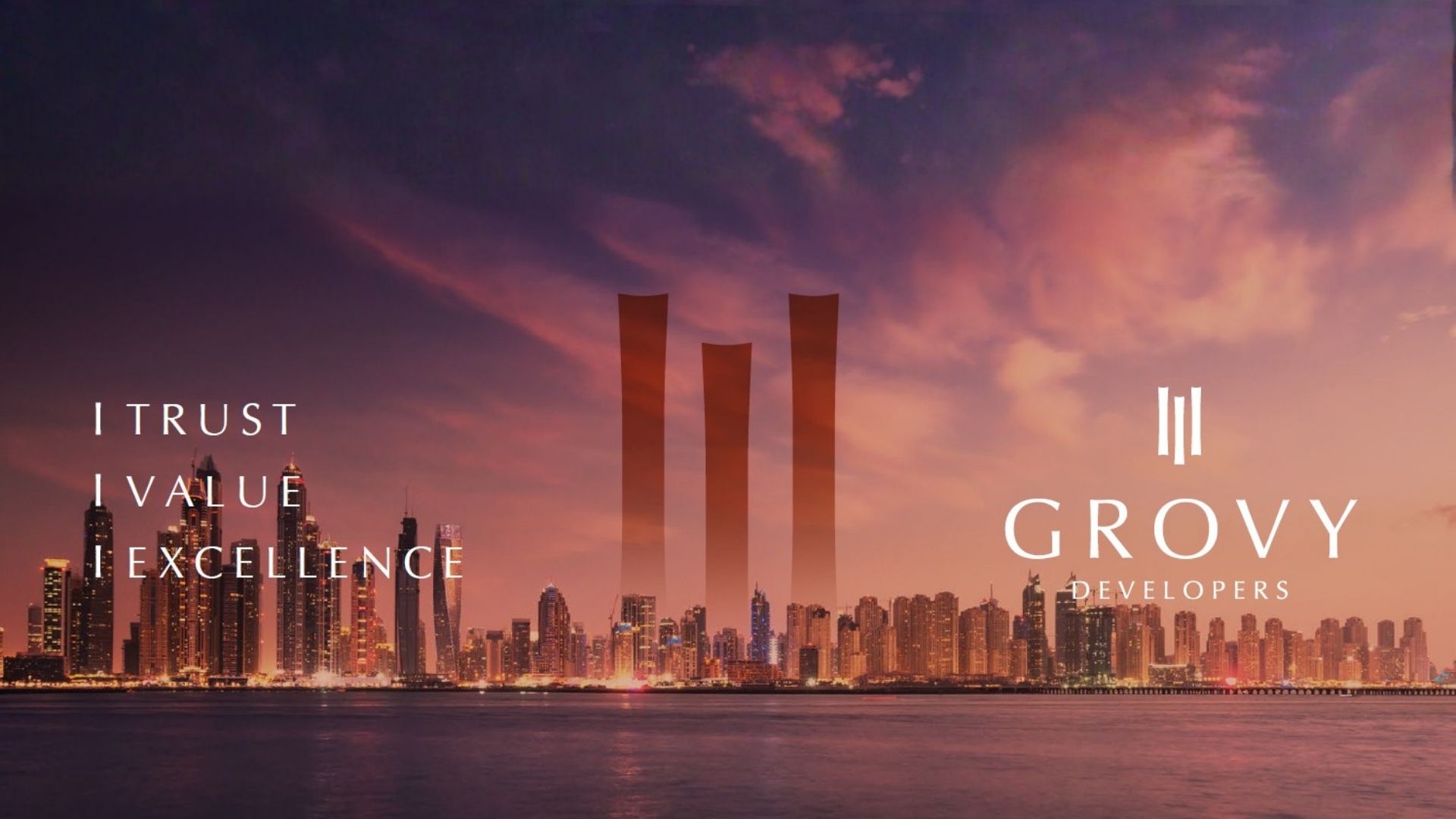
Dubai’s real estate market is experiencing one of its strongest growth cycles in more than a decade. Property values have climbed sharply—nearly 70% over the past four years—and developers are racing to bring new projects to market. In the middle of this momentum, one trend has started to reshape industry dynamics: more developers are bringing construction in-house rather than relying on third-party contractors.
In-house construction promises efficiency, control, and cost savings. But does it offer long-term sustainability in a market as fast-moving and competitive as Dubai? Or could the shift introduce new challenges that may outweigh the benefits?
Read full article here : https://thegulfpulse.com/is-in-house-construction-sustainable-in-dubais-booming-market/
The Promise of In-House Construction
1. Greater Control Over Cost, Schedule, and Quality
By internalizing construction, developers streamline the number of stakeholders involved. This allows tighter oversight of budgets, procurement, workmanship, and deadlines. Direct control helps ensure that the final product aligns seamlessly with the developer’s standards—especially crucial for premium or luxury developments where craftsmanship and finishes define the buyer experience.
2. Strong Potential for Cost Savings and Faster Handover
Industry estimates indicate that in-house construction can reduce overall project costs by eliminating contractor markups and improving procurement efficiency. These savings may translate to lower end-user pricing or improved margins. Additionally, quicker turnarounds help developers minimize holding costs and avoid market fluctuations—creating more stability for both developers and buyers.
3. Transparency and Consistent Quality Standards
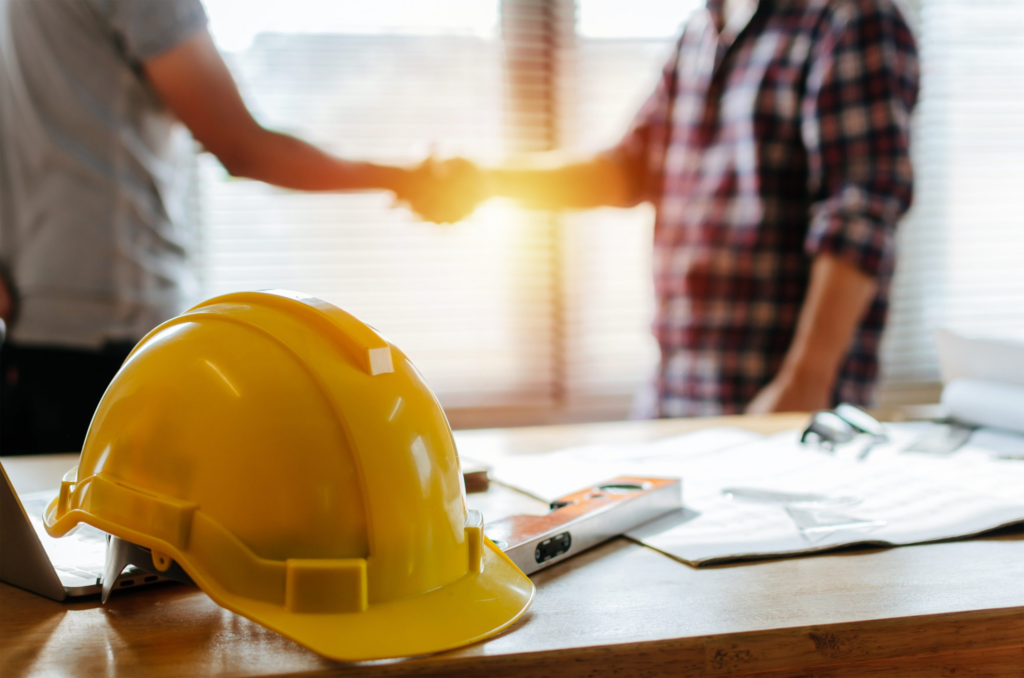
An internal team allows for consistent enforcement of quality benchmarks across every stage of construction. From material selection to final inspections, developers can ensure that standards remain uniform and uncompromised—something that can be difficult when multiple external subcontractors are involved.
4. More Stability in a Competitive Contractor Market
With Dubai’s construction activity surging, competition for reputable contractors has intensified. Some developers have faced limited bidding options or inflated prices. For these firms, adopting an in-house model provides better predictability and continuity, ensuring projects progress without delays caused by contractor shortages.
The Risks: Why In-House Construction Isn’t Always the Right Move
1. Internalisation Doesn’t Guarantee Better Results
Bringing construction in-house is not a magic solution. If a developer lacks strong internal processes—especially around quality control—issues like poor workmanship or delays can still occur. Rigorous inspections, reporting systems, and accountability frameworks must be firmly in place.
2. High Fixed Overheads
Running an in-house contracting division means taking on:
- Manpower and staffing costs
- Procurement and logistics responsibilities
- Equipment and plant expenses
- Compliance, safety, and legal liabilities
These overheads are manageable in a booming market—but can become burdensome when demand slows or project pipelines shrink.
3. Increased Exposure During Market Downturns
In-house construction units rely on continuous work to remain cost-efficient. If the market cools down, these teams may become underutilized, leaving developers carrying significant expenses without revenue to offset them.
4. Higher Legal and Reputational Risks
When the developer is also the contractor, the margin for error shrinks. Any construction defect, delay, or dispute directly impacts the brand. Without careful management, this dual role can amplify both financial and reputational risk.
5. Not Always the Choice of Established Developers
Many seasoned developers prefer a hybrid model—outsourcing large-scale structural works while internalizing critical elements like finishing, procurement, and quality inspections. This approach reduces overhead while preserving control over the aspects that directly impact customer satisfaction.
When In-House Construction Works—and When It Doesn’t
Best suited for developers when:
- They have strong internal expertise in project management and procurement
- Their projects are high-margin or luxury, where quality control is vital
- Market conditions are strong, ensuring steady workflow
- Quality oversight teams are established and empowered
Risky when:
- The developer lacks experience in managing full contracting operations
- Market demand weakens or becomes volatile
- Large fixed overheads cannot be justified
- Internal inspection and QA/QC processes are weak
Grovy’s Perspective: A Balanced, Strategic Approach
For developers like Grovy—who prioritize on-time handover, high-quality construction, and a well-planned user experience—in-house construction can offer meaningful advantages when executed thoughtfully.
Grovy’s strengths in quantity surveying, cost estimation, procurement, and quality control naturally align with the benefits of internalized construction. A carefully built in-house system can help support Grovy’s promise of delivering:
- Homes built with precision
- Thoughtful design from planning to handover
- Consistent quality aligned with brand standards
- Greater cost efficiency
- Reliable timelines
However, a fully internalized contracting model is not always the optimal route.
A hybrid structure is often the most sustainable approach:
- Internalizing procurement, finishing, cost control, and quality assurance
- Collaborating with external specialists for large-scale or technical works
- Maintaining flexibility to adjust to market cycles
This model reduces risk while keeping the highest-impact parts of the construction process under direct Grovy supervision.
Conclusion
In-house construction is emerging as a defining trend in Dubai’s booming real estate market. It offers developers greater control, improved efficiency, and potential cost savings—making it an attractive option during periods of high activity and contractor scarcity.
However, it is not a universal solution. Without strong internal capabilities, disciplined quality control, and prudent financial planning, in-house construction can create more risks than rewards.
For many developers—including those focused on premium, design-driven communities—a hybrid model strikes the ideal balance: bringing key processes in-house while maintaining the flexibility, specialization, and scalability that external partners provide.
As Dubai moves into its next cycle of growth, the most successful developers will be those who adapt their construction strategies not just to today’s opportunities—but to tomorrow’s challenges.
Read full article here : https://thegulfpulse.com/is-in-house-construction-sustainable-in-dubais-booming-market/