The Complete Guide to Buying Property in the UAE in 2026
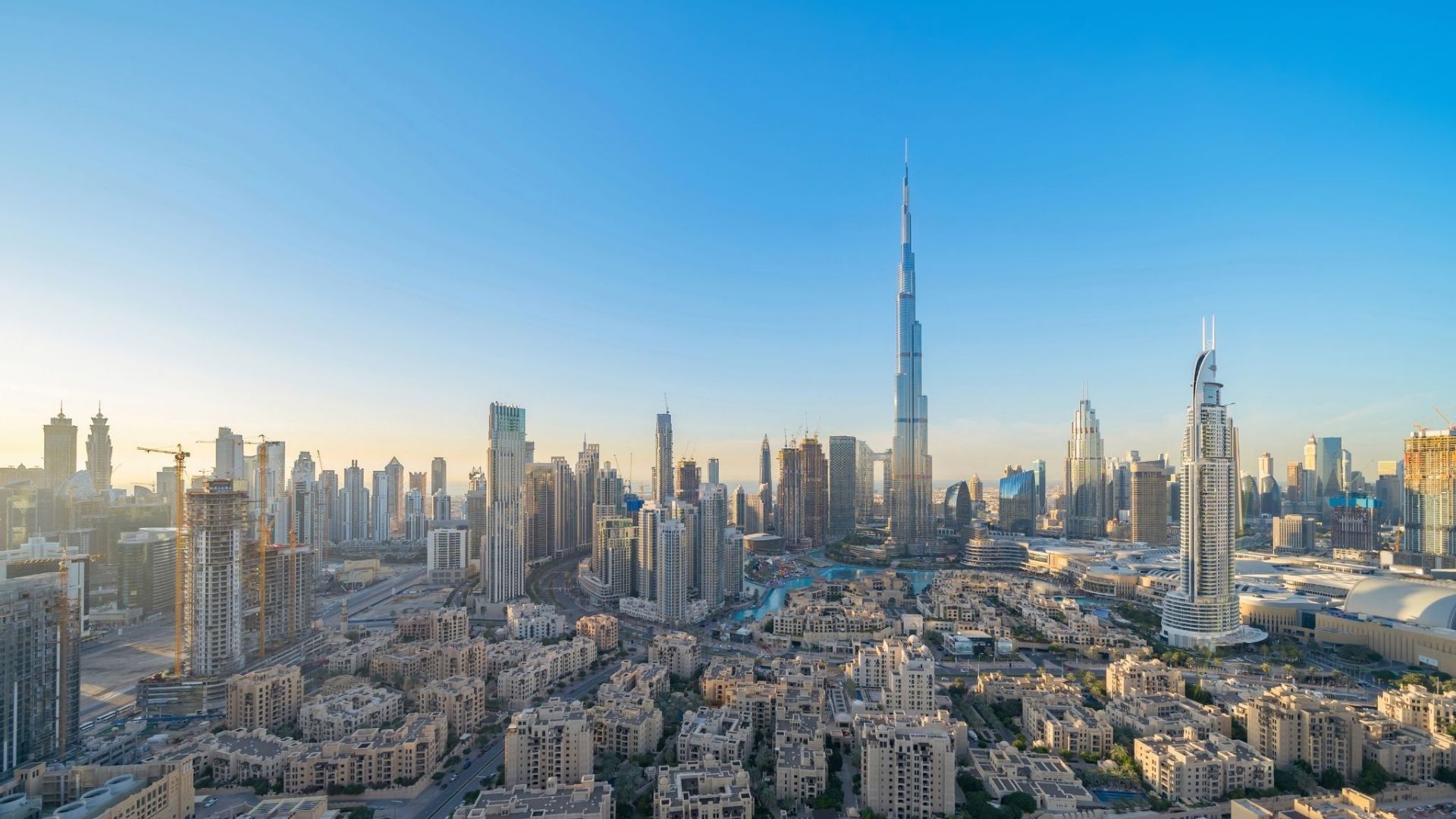
The United Arab Emirates real estate market continues to operate as a dominant global powerhouse. Driven by the constant evolution of long-term residency initiatives, highly investor-friendly frameworks, and an incredibly robust economic climate, buying property in UAE 2026 stands as one of the most reliable methods to expand and secure international wealth.
Whether you intend to relocate your family to a world-class, secure metropolis or seek to capitalize on premium, high-yielding rental portfolios, navigating the purchase sequence requires an accurate understanding of current local frameworks.
This comprehensive, step-by-step pillar guide explicitly maps out everything required to confidently acquire real estate across the Emirates this year.
1. The Legal Framework: Who Can Buy Property in the UAE?
The UAE offers two distinct types of property ownership structures for buyers, depending largely on your nationality and the location of the asset.
Freehold vs. Leasehold Property
- Freehold Ownership: This is the most popular option for international investors. When you buy a freehold property, you own the structure and the land it sits on completely and indefinitely. Freehold owners have the right to sell, lease, or pass the property down as an inheritance.
- Leasehold Ownership: This structure grants you the right to occupy and use the property for a specific period, typically ranging from 30 to 99 years. You own the structure itself for the duration of the lease, but the land ultimately reverts back to the freeholder or landowner when the contract expires.
Restrictions for Foreign Investors
Foreign nationals (non-GCC expatriates) are legally permitted to acquire absolute freehold ownership, but this right is strictly restricted to designated areas known as Freehold Zones. Fortunately, major emirates like Dubai and Abu Dhabi have designated almost all of their premium master-planned communities, coastal destinations, and economic hubs as freehold zones, leaving buyers with an abundance of choices.
2. Navigating the Golden Visa Framework in 2026
One of the primary catalysts driving global demand for UAE real estate is the highly coveted 10-year Golden Visa program. Holding a Golden Visa grants you long-term residency, the ability to sponsor your family and domestic staff, and complete independence without requiring a local corporate sponsor.
To secure a Golden Visa through property acquisition, you must meet the following financial and legal criteria:
| Requirement Metric | Golden Visa Eligibility Criteria |
| Minimum Property Value | AED 2,000,000 (Two Million Dirhams) or more. |
| Asset Types Permitted | Residential properties (villas, townhouses, apartments, penthouses) and hotel apartments. |
| Portfolio Flexibility | You can combine multiple properties to hit the aggregate AED 2M threshold, provided they are located in freehold zones. |
| Off-Plan Eligibility | Permitted, provided the property is sourced from an approved, licensed master developer. |
| Equity Requirement | A minimum cash equity of AED 2,000,000 must be paid into the asset. If the property is mortgaged, the bank loan component does not count toward the baseline visa threshold. |

3. Understanding Financial Costs: Fees, Taxes, and Mortgages
An incredibly important theme discussed during our media launch is the thoughtful democratizing of premium real estate assets. Dimitris Manikis, President of Wyndham Hotels & Resorts EMEA, pointed out that this project actively opens the branded residences sector to a broader audience. Historically, hotel-linked homes in Dubai were priced exclusively out of reach for many smart investors. However, Ramada Residences by Wyndham at Dubai Islands bridges this gap beautifully. We are combining elite international hospitality infrastructure with an accessible ownership framework, providing a highly lucrative investment path.
While the UAE is globally celebrated for its tax-free environment, meaning you pay 0% income tax and 0% capital gains tax on property appreciation—there are critical transaction fees and mortgage rules to factor into your initial capital allocation.
Standard Government & Transaction Fees
When budgeting for your purchase, you must anticipate transactional costs that generally add 6% to 8% on top of the base property purchase price:
- Land Department Fees: In Dubai, the Dubai Land Department (DLD) transfer fee is 4% of the property value, which under official regulations is split equally (2% each) between the buyer and seller, though buyers frequently absorb this full amount in competitive market conditions. In Abu Dhabi, the property registration fee is 2%.
- Registration Trustee Fees: For properties valued at AED 500,000 or above, the trustee fee is AED 4,000 plus 5% VAT (totaling AED 4,200). For properties under AED 500,000, the fee is AED 2,000 plus 5% VAT (totaling AED 2,100).
- Real Estate Agency Commission: Typically 2% of the purchase price (plus 5% VAT on the commission amount).
- Developer Administrative Fees: Ranging from AED 500 to AED 5,000 for issuing No Objection Certificates (NOCs).
UAE Mortgage Rules for Resident and Non-Resident Buyers
The Central Bank of the UAE (CBUAE) regulates lending parameters firmly to protect market stability. Mortgages are readily available to both local residents and international investors, though the Loan-to-Value (LTV) ratios differ:
- UAE Residents (Expatriates): For a first property purchase under AED 5 million, resident expatriate buyers can secure an LTV ratio of up to 80% (requiring a 20% down payment). For properties valued above AED 5 million, the maximum LTV drops to 70% (requiring a 30% down payment). For a second property onwards, the LTV is capped at 60%.
- Non-Residents (International Investors): Non-resident buyers face stricter criteria, with LTV ratios typically capped between 50% and 60%, meaning you must contribute a 40% to 50% cash down payment upfront.
- Debt Burden Ratio (DBR): Your total monthly debt obligations, including the proposed mortgage payment, cannot exceed 50% of your verified gross income.
4. Off-Plan Real Estate vs. Secondary Market Properties
Choosing between buying an unbuilt project directly from a developer (off-plan) or purchasing an existing, fully operational home (secondary market) depends on your cash flow strategy and investment horizon.
Off-Plan Properties: Benefits and Safeguards
Off-plan properties are highly sought after because they allow investors to secure luxury assets at ground-floor pricing, often with highly flexible, interest-free payment plans stretched across the construction timeline.
To protect international buyers, the UAE government enforces incredibly strict regulatory safeguards:
- Escrow Account Protections: By law, developers cannot access your milestone payments directly. All funds must be deposited into an independent, government-monitored Escrow Account tied strictly to that specific project. Funds are only released to the developer in stages as independent construction verification teams approve physical build milestones.
- Project Tracking Transparency: Government smartphone applications (such as the Dubai REST app) allow you to track live audit percentages of construction progress and verify escrow details from anywhere in the world.
Secondary Market Properties: Immediate Yield and Utility
Buying a completed ready property eliminates construction delay risks entirely. The primary advantage is immediate utilization—allowing you to either move into the home right away or lease it out immediately to capitalize on strong rental yields or short-term vacation rental opportunities. However, secondary market purchases require a higher upfront cash allocation, as you must clear the full down payment and transaction fees upon the transfer of title.
5. The Step-by-Step Property Buying Process
Step 1: Financial Pre-Approval & Budgeting
│
Step 2: Property Selection & Due Diligence
│
Step 3: Signing the MOU (Form F)
│
Step 4: Developer Issues No Objection Certificate (NOC)
│
Step 5: Title Transfer at Registration Trustee Office
Step 1: Budget Allocation and Pre-Approval
Define your total capital allocation, factoring in the 6% to 8% administrative buffer. If you intend to utilize leverage, secure an official mortgage pre-approval from a UAE bank before entering formal negotiations.
Step 2: Property Selection and Due Diligence
Work closely with a licensed real estate brokerage to identify assets that match your goals. Verify that your real estate agent holds a valid regulatory license (such as a RERA card in Dubai) and that the developer is fully registered.
Step 3: The Memorandum of Understanding (MOU / Form F)
Once an agreement is reached on the secondary market, a formal contract called Form F (or the MOU) is drafted and signed. This document outlines every specific financial term and condition of the sale. The buyer typically provides a 10% security deposit check, which is held safely by an authorized escrow broker until the transfer.
Step 4: Securing the No Objection Certificate (NOC)
The buyer and seller coordinate with the master developer of the community to apply for a No Objection Certificate. The developer reviews the asset to verify that all community service charges are completely paid up to date by the seller. Once verified, the NOC is issued, clearing the asset for legal transfer.
Step 5: Official Title Transfer and Settlement
The final step takes place at a government-authorized Registration Trustee office. The buyer presents the agreed purchase funds via official bank manager’s checks, pays the registration fees, and settles outstanding balances. In return, the government instantly issues a brand-new, digitized Title Deed, legally solidifying your absolute ownership of the property.

Summary Checklist for UAE Property Buyers
To ensure a seamless property acquisition process, keep this quick administrative checklist handy:
- Review community service charge rates with the developer before finalizing secondary market deals.
- Verify that your real estate agent holds a valid corporate registration card.
- Confirm the property is located within an officially designated freehold zone.
- Factor an additional 6% to 8% of the asset’s purchase price into your cash budget for closing fees.
- Ensure all off-plan installment payments are routed into a registered, project-specific escrow account.
Start Your Luxury Property Journey Today
Navigating the thriving UAE real estate market requires an experienced, trusted partner who understands local regulations, master-planned community dynamics, and premium investment strategies.
Contact our dedicated property advisory team today to explore our exclusive portfolio of ultra-luxury boutique residences, capital-appreciating off-plan developments, and high-yield coastal investments. Let us help you secure your future and legacy in the UAE.